Blog
Promoting the Adoption and Application of AI
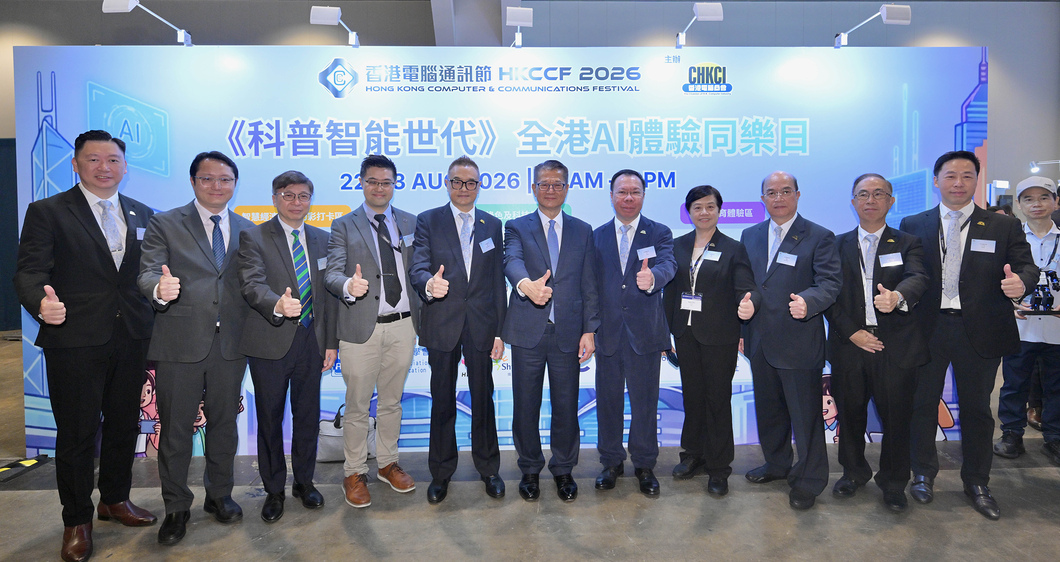
Every wave of technological innovation brings a fresh cycle of equipment upgrades and unleashes enormous consumer demand. This trend is clearly on display at the Hong Kong Computer & Communications Festival 2026 (HKCCF 2026), now being held at the Hong Kong Convention and Exhibition Centre in Wan Chai. Last week, I officiated at the opening ceremony and toured the exhibition booths. The venue was buzzing with activity. A number of exhibitors told me that the AI boom has sparked strong consumer interest in related electronic products, giving a further boost to their sales.
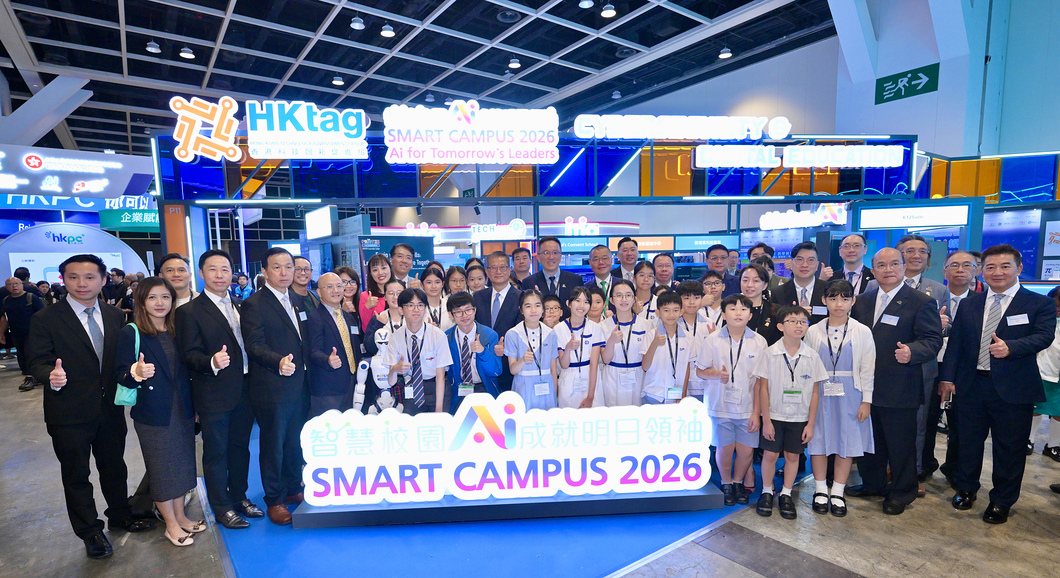
This year’s event is themed “AI Connect: Let’s Link the Future!”. The venue features a number of themed and special zones covering innovation and technology in sports, green technology living and smart campuses, giving members of the public the opportunity to experience AI applications first-hand. For the first time, the organiser has also co-organised an AI and Digital Transformation Zone with the Hong Kong Productivity Council (HKPC), offering interactive workshops for enterprises on topics such as corporate technology transformation, cybersecurity and professional services.
|
| Last week, I attended the opening ceremony of the HKCCF 2026 and visited its “Smart Campus” exhibition zone. |
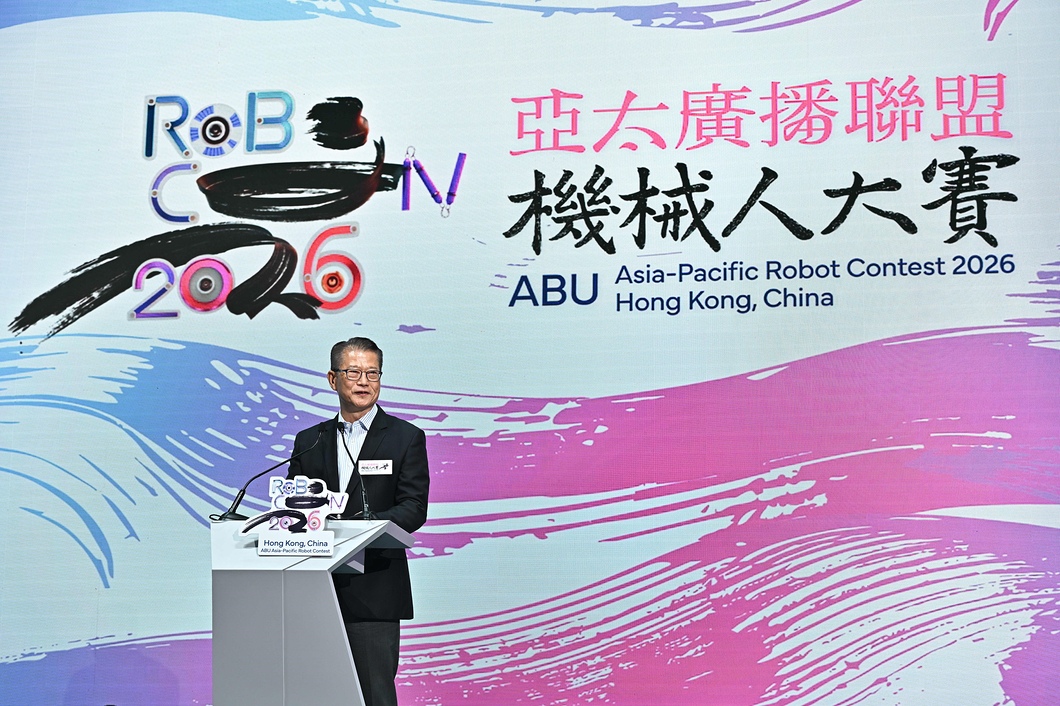
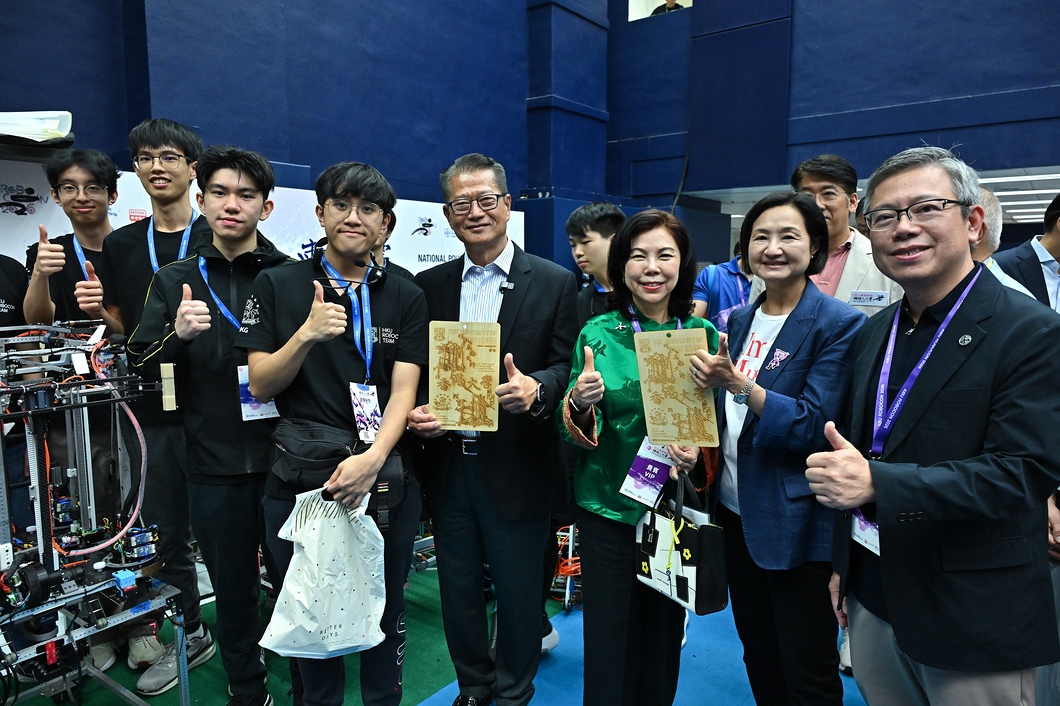
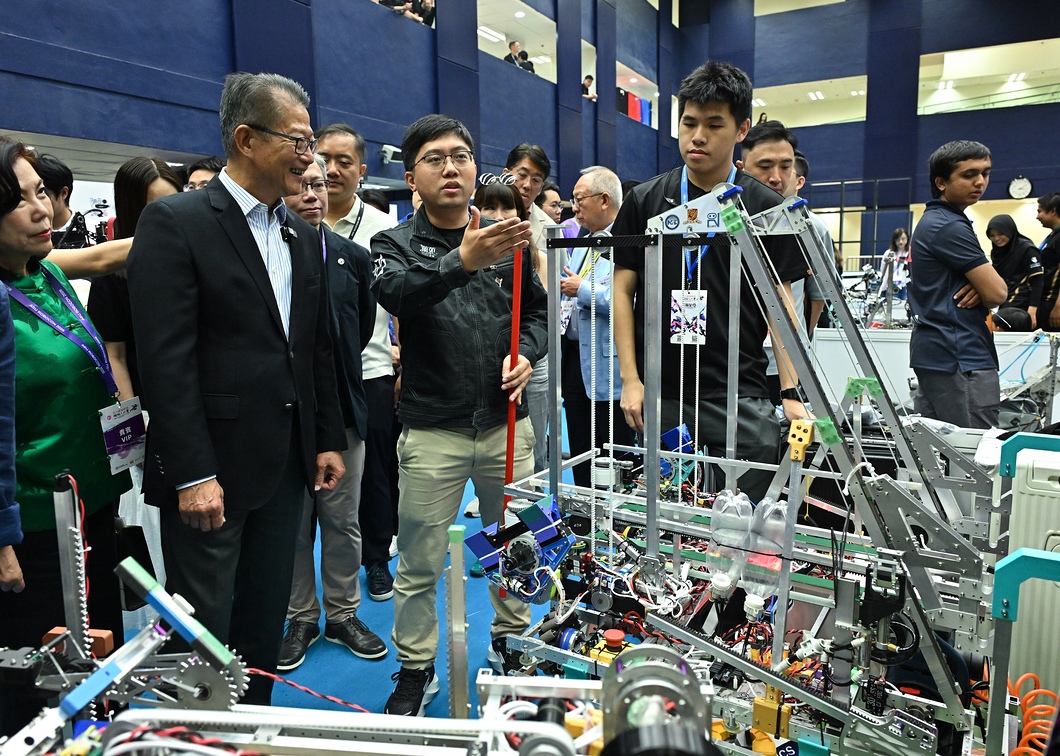
AI is advancing rapidly in the physical world, with robots becoming a key vehicle for its development. This theme has become increasingly prominent in various competitions and exhibitions. For example, ABU Robocon 2026, held today at Queen Elizabeth Stadium under the theme “Kung Fu Quest”, brought together 16 top university teams from 15 countries and regions. The teams competed by controlling robots to perform highly challenging tasks, including crossing plum-blossom piles and collecting martial arts manuals. Beyond the competition, the young participants will also visit Hong Kong Science Park and Qianhai in Shenzhen to gain first-hand insights into the innovation and technology ecosystem of the Greater Bay Area.
This trend is not confined to the competition arena. A Mainland embodied AI enterprise brought in by the Hong Kong Investment Corporation Limited will present its latest robots and product series to Hong Kong at the end of this month for a public showcase, following their debut at the World Robot Conference in Beijing. The showcase will allow members of the public and students to experience close-up interactions with the robots. From university competitions to corporate product showcases, robots are truly becoming within reach in Hong Kong.
Greater participation in AI-related competitions, talks and exhibitions can help young people gain a deeper understanding of cutting-edge technological developments and inspire them to think about their future careers. It may even give them the opportunity to meet future start-up partners or investors. All these experiences can be of considerable value in enriching their personal portfolios and helping them explore future career paths.
|
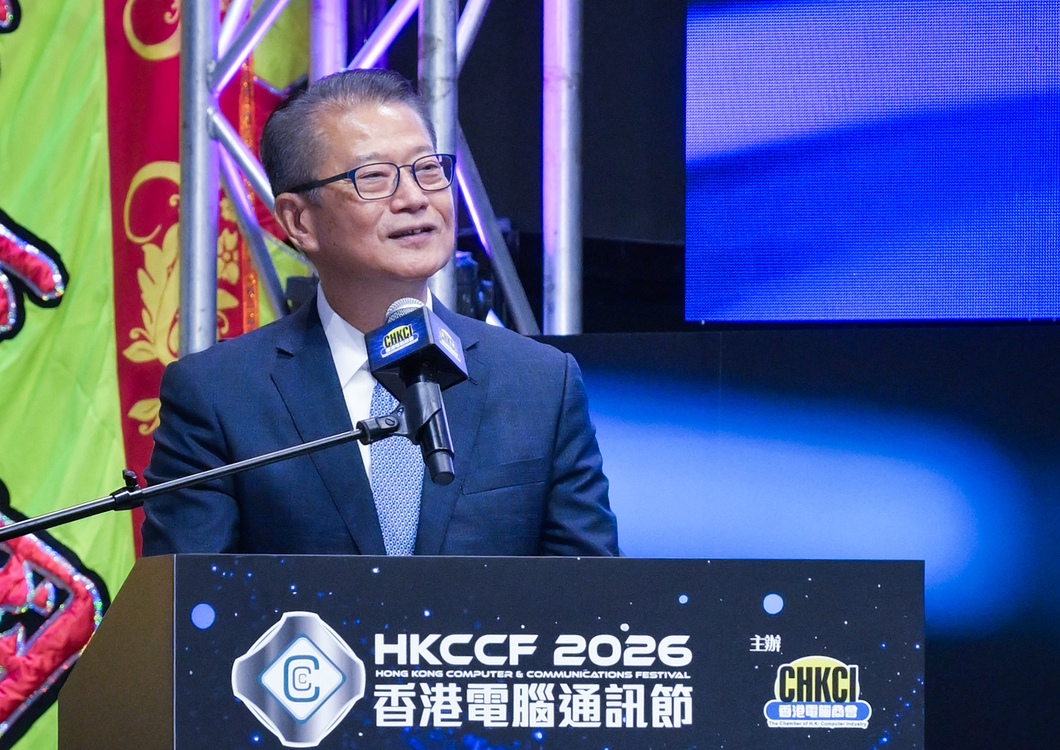
| Delivering a speech at the opening ceremony of the HKCCF 2026. |
|
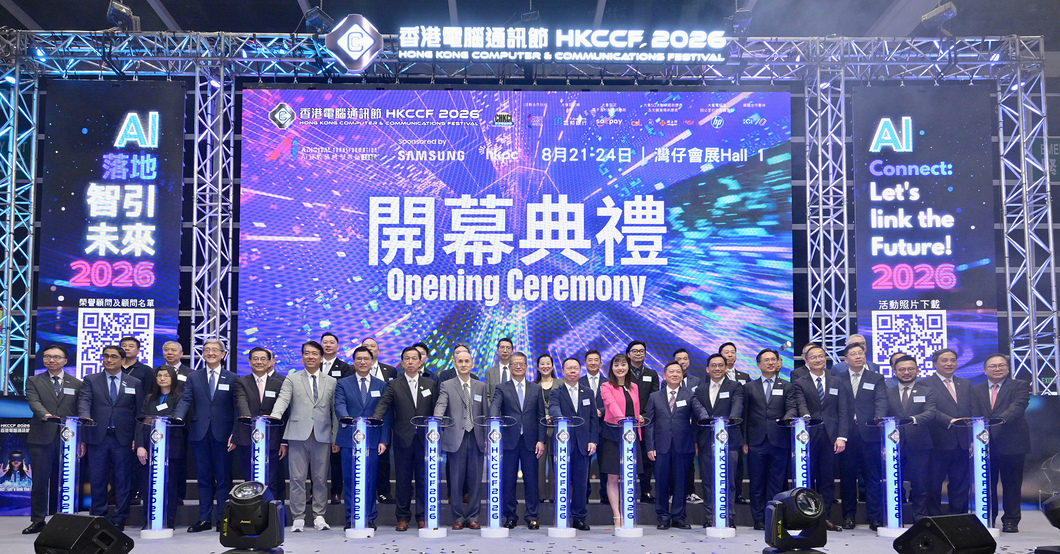
| Attending and officiating at the opening ceremony of the HKCCF 2026 with other guests. |
With the rapid development of AI over the past few years, people have become increasingly aware of the need to keep pace with the times, and enhance both their understanding of AI and their ability to apply it. In fact, a research report by a multinational technology company found that nearly 70% of respondents in Hong Kong are already proficient in using AI, including the ability to compare different tools. Around 20% are “super users” who know how to use AI agents to automate daily tasks. The report further estimates that if AI adoption among Hong Kong’s small and medium enterprises (SMEs) catches up with that of large enterprises by 2035, this could generate economic benefits of up to HK$65 billion for Hong Kong.
Our country’s rapid development in AI has provided significant impetus to Hong Kong’s economy and financial markets. Hong Kong’s economic growth in the first half of this year exceeded earlier expectations, partly due to the strong global demand for advanced electronics and AI-related products. This demand supported high double-digit growth in Hong Kong’s exports for several consecutive quarters. Between December last year and May this year, AI-related IPO fundraising in Hong Kong amounted to nearly HK$100 billion, accounting for about 55% of total IPO funds raised during the period. Following its latest quarterly review, Hang Seng Indexes Company Limited also included a number of AI-related companies in various indices, properly reflecting the growing importance of AI in the economy.
The operations of the HKSAR Government are also becoming more deeply empowered by AI. The AI Efficacy Enhancement Team has facilitated the first batch of 30 efficacy enhancement projects across 13 departments, covering areas such as licence applications, facility bookings, environmental hygiene and complaint handling. The Transport Department will launch “Easy Licence Application Approval” by the end of this year, using AI to automatically recognise documents. It aims to cut the processing time for online vehicle licence renewals from up to 10 working days to just one. In the first quarter of next year, a trial will also be launched to use AI to adjust traffic signals in real time, with a view to shortening pedestrian waiting times.
|
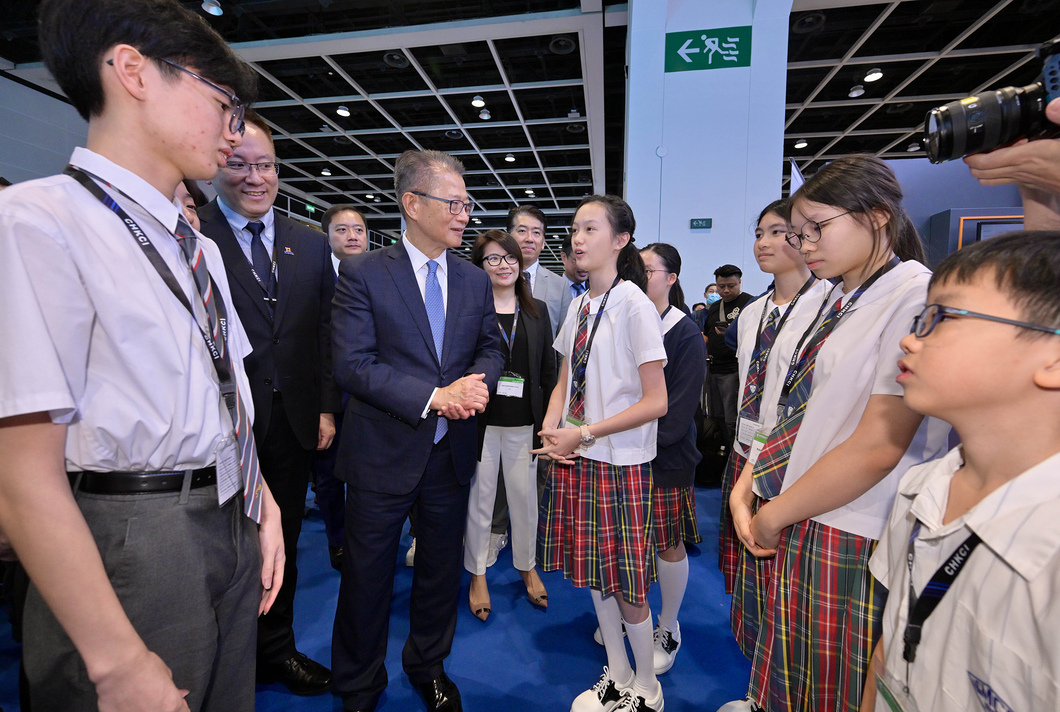
| Interacting with students at the “Smart Campus” exhibition zone. |
|
| Visiting exhibition zones at the HKCCF 2026. |
|
| Attending and delivering a speech at the opening ceremony of ABU Robocon 2026 held today at the Queen Elizabeth Stadium. |
|
| Interacting with the team representing the University of Hong Kong during ABU Robocon 2026. |
|
| Interacting with the team representing the Chinese University of Hong Kong during ABU Robocon 2026. |
As technology develops rapidly, what is even more critical is enhancing the capabilities of the workforce. The 2026–27 Budget allocated HK$50 million to launch the “AI Training for All” programme with precisely this objective in mind. Through Cyberport, the Hong Kong Science and Technology Parks and the HKPC, various activities have been rolled out to provide diversified AI training for working people, students and members of the public. The target is to organise more than 200 activities this year and next year, benefiting around 50,000 participants. Taking HKPC as an example, its efforts mainly target SMEs and working people. During this year’s HKCCF, it brought together nearly 30 partner enterprises to support SMEs in the specification application of AI across various areas, from cybersecurity and online legal arbitration to omnichannel AI chatbots and business messaging solutions. Over the next two years, it will also continue to conduct the AI Readiness in Workplace Survey to provide a reference for formulating more targeted support measures. The Employees Retraining Board will also collaborate with a major technology company to launch AI courses, which are expected to be rolled out to working people in November.
Frontier technologies and applications are still evolving and will inevitably bring challenges to the job market. We must step up our response, including enabling young people to acquire new skills early and providing them with opportunities to apply those skills in the workplace. Hong Kong is home to a large number of SMEs. Their flexibility, adaptability and innovative spirit have withstood the tests of past technological changes and economic cycles. In the current period of technological paradigm shift, we will give them our full support in preparing for and responding to change, so that they can continue to move forward.
August 23, 2026