Blog
From Dalian to Xi'an: A Shared Journey across Mountains and Seas
Over the past week, I visited Dalian and Xi'an. Joining me for all or part of the trip were representatives from the Office for Attracting Strategic Enterprises (OASES), the Hong Kong Investment Corporation Limited, the Hong Kong Exchanges and Clearing Limited, Invest Hong Kong, the Hong Kong Science Park, Cyberport, and the Hong Kong-Shenzhen Innovation and Technology Park, along with a number of local and overseas innovation and technology (I&T) enterprises that these organisations have nurtured or helped attract.
Our itinerary began with the Summer Davos Forum, officially known as the Annual Meeting of the New Champions, in Dalian, where I joined political and business leaders from around the world in discussions centred on innovating at scale and the current challenges facing global development. From there, I travelled to Xi'an to take part in the First Western Commercial Space Conference. These trips gave me valuable opportunities to engage in in-depth exchanges with representatives from the political and business communities, the technology sector and universities in Liaoning and Shaanxi, including the heads of more than 100 local enterprises.
|
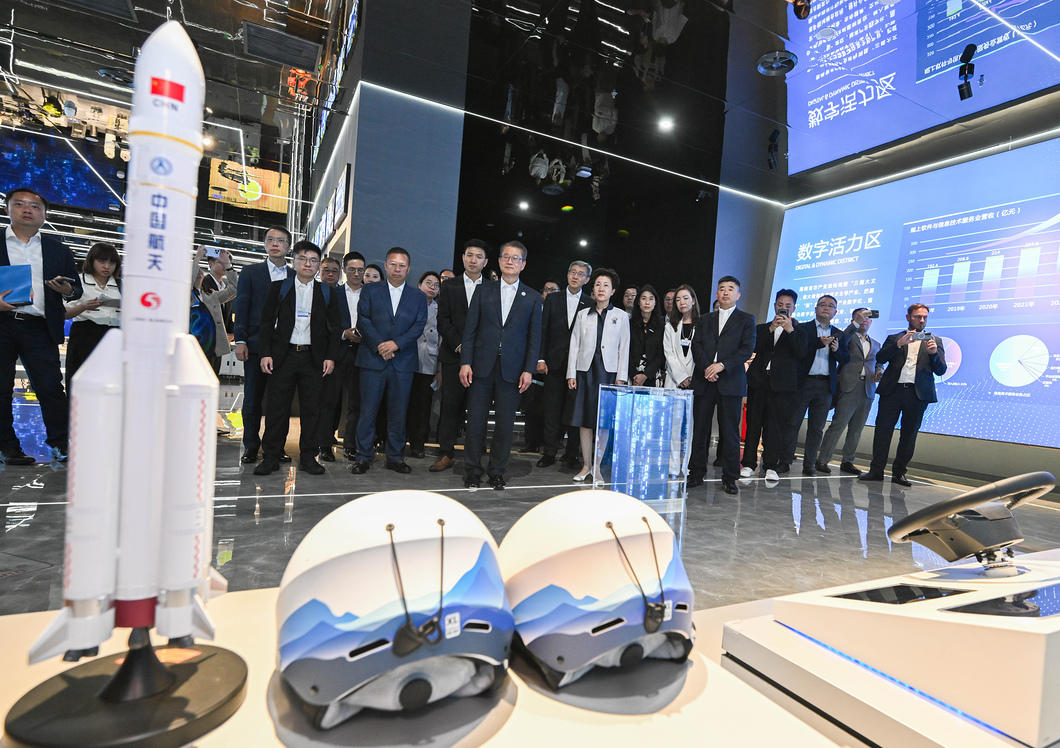
| On the sidelines of the World Economic Forum (WEF)'s Annual Meeting of the New Champions 2026 in Dalian, I led a delegation of Hong Kong I&T enterprises to visit the Dalian High-tech Industrial Zone. |
|
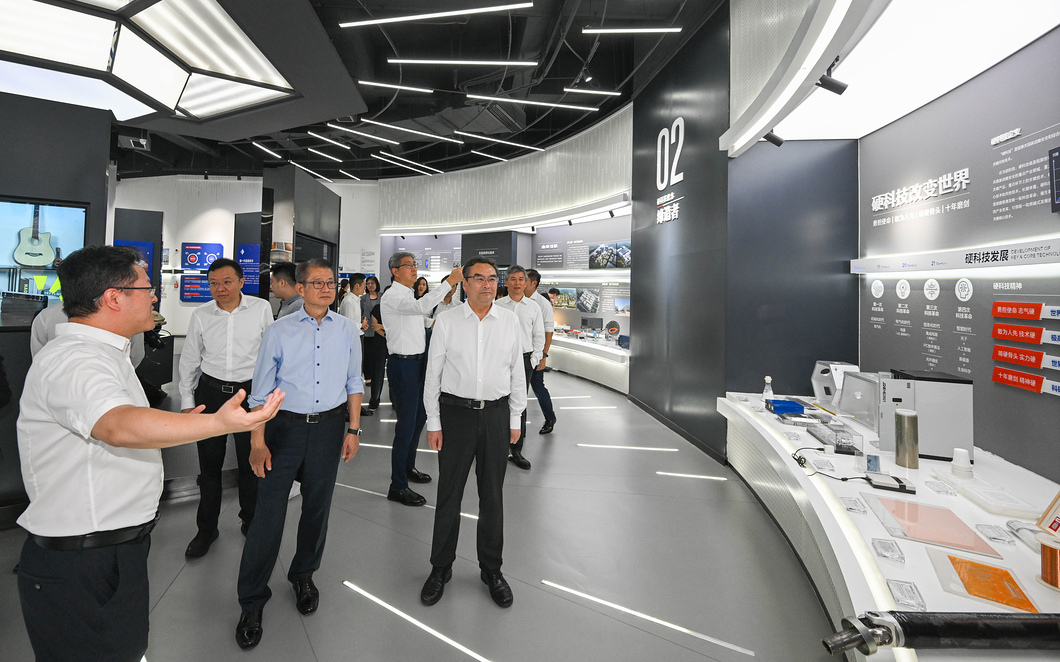
| I visited the Xi'an High-tech Industries Development Zone and toured a number of its strategic emerging industry companies. |
Through these intensive exchanges and visits, we not only witnessed the solid industrial foundations of the Northeast and the vibrant innovation momentum of the Northwest, but also gained a deeper appreciation of Hong Kong's role under the country's "dual circulation" development strategy. Beyond serving as an important channel for attracting businesses and investment, we also act as a key bridge for Mainland enterprises and products to go global, and as an "adapter" of standards and rules that connects technological innovation to international markets.
To sum up this visit, I would like to share three observations on how Hong Kong and these regions can further strengthen collaborative development:
|
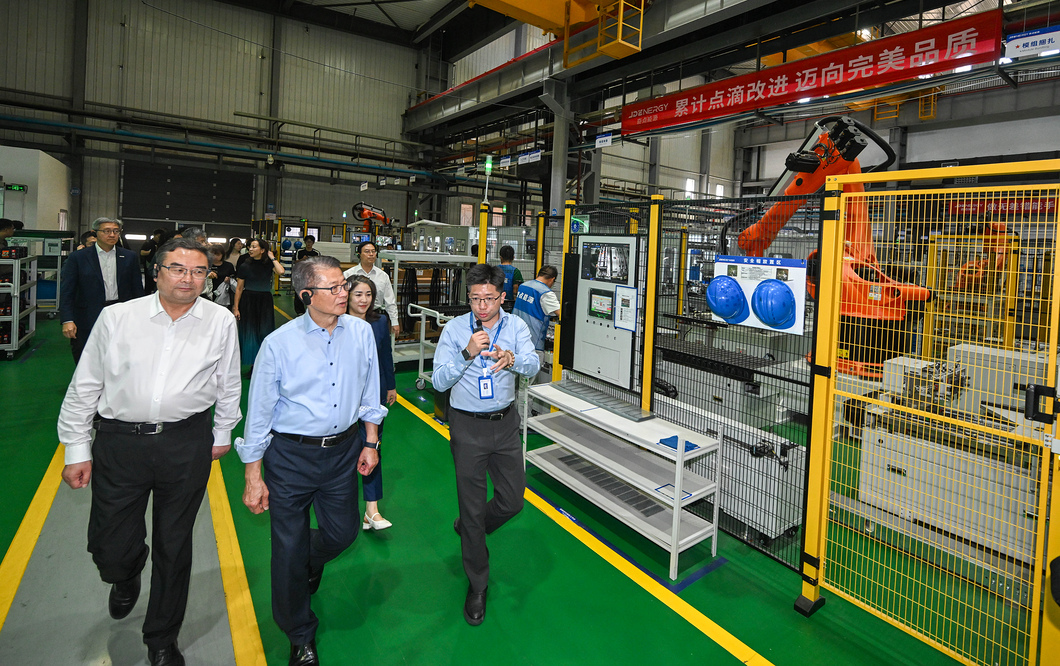
| I visited the Xi'an High-tech Industries Development Zone and toured a number of its strategic emerging industry companies. |
|
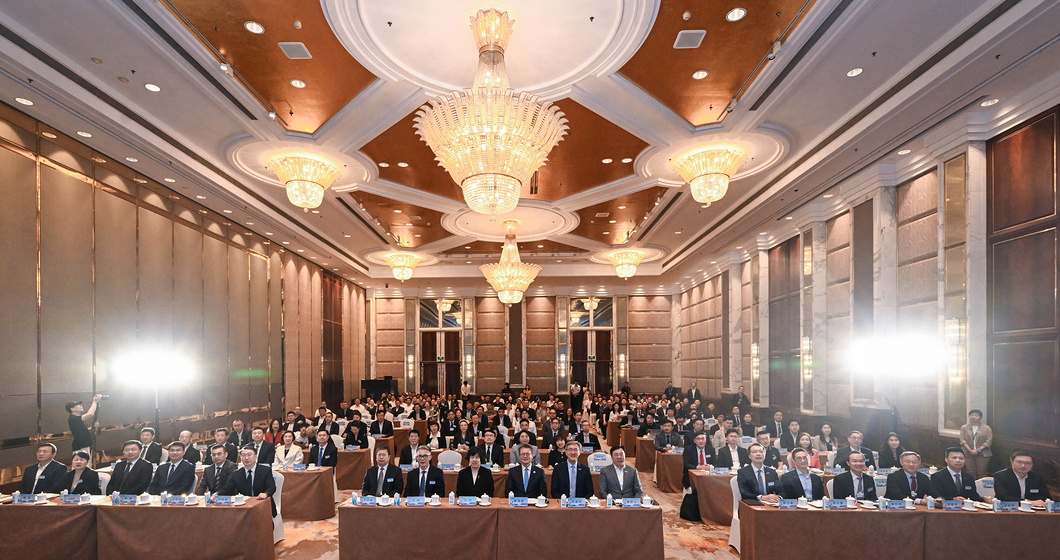
| During my visit to Dalian, I attended a business promotion event organised by OASES to support Mainland enterprises in going global. |
First, the efficient synergy between the Mainland's outstanding I&T capabilities and Hong Kong's international connectivity. Both Liaoning and Shaanxi boast deep foundations in research and development (R&D), strong industrial bases and rich resources in science and education. They have long focused on frontier innovation, pursued the integrated development of technology, education and talent, and worked to deepen the integration of technological and industrial innovation to drive high-quality regional development. At the industry level, the two regions each have their own strengths: Liaoning excels in heavy industry, equipment manufacturing and shipbuilding, while Shaanxi enjoys distinct advantages in hard technology and the aerospace industry.
Indeed, through years of sustained investment, R&D and perseverance in overcoming challenges, many of the I&T enterprises I visited have steadily built up their capabilities over time, bringing their technologies to the forefront of their respective industries. The challenge that remains, however, is how to translate research outcomes, products and technological applications into overseas orders as these enterprises expand globally and scale up their operations around the world. Whether in expanding customer networks, building brands, meeting international standards, or testing and refining products, Hong Kong can play an important role in helping the Mainland's R&D align with global application.
Hong Kong's international character is our unique advantage. Our common law system, robust protection of intellectual property rights, free flow of capital and other factors of production, and the convergence of international capital and talent — together with our internationally aligned professional services in fields such as accounting, law and corporate governance — all help these enterprises accelerate the growth of their cross-boundary business, while enabling them to do so steadily and sustainably.
This leads to my second observation: the interplay between capital and technology. Going global has now become a key strategy for the continued growth of Mainland enterprises. Whether at the going-global promotion conference for Mainland enterprises in Dalian, the seminar for enterprise leaders in Xi'an, or the exchange session for technology enterprises in Nanjing the week before, entrepreneurs consistently expressed a keen interest in raising international capital to support their global expansion. This stems not only from a practical need for funding, but also from a desire to enhance their international visibility, recognition and appeal to talent by bringing international investors on board.
Furthermore, they are also seeking the support of patient capital. This is particularly important in many hard technology sectors, where R&D requires substantial investment and long cycles, calling for long-term investors who are willing to share the risks. Here too, Hong Kong can play a leading role. We can help mobilise international long-term capital to co-invest in small-scale, early-stage and long-horizon projects, thereby helping promising technology enterprises, along with those in emerging and future industries, to grow and thrive.
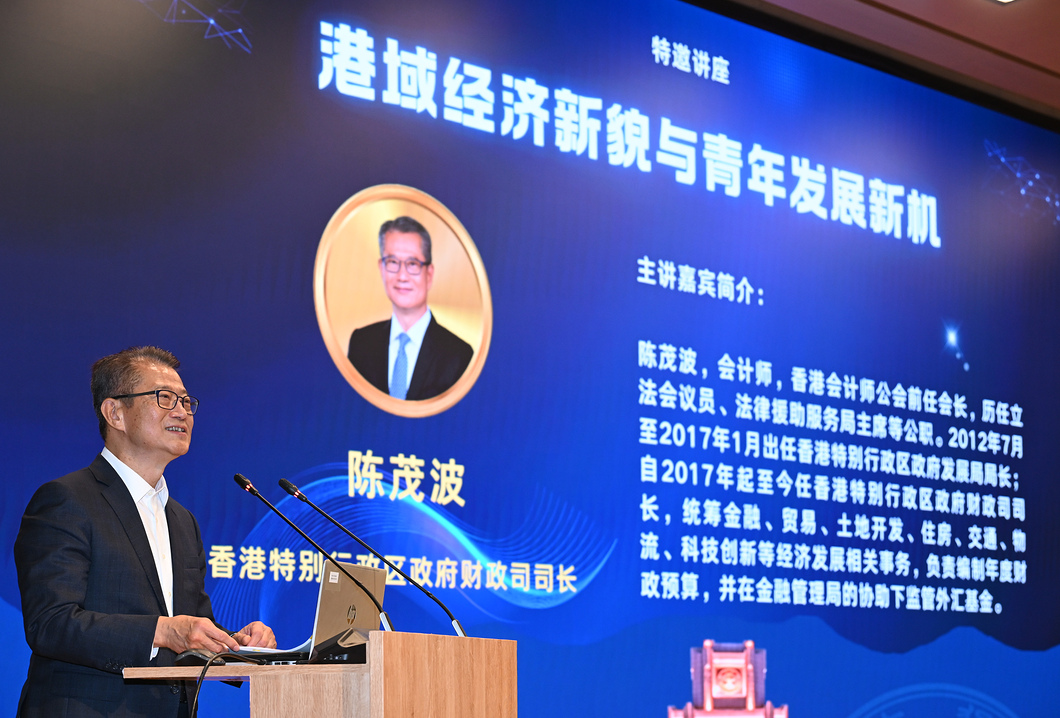
|
| Delivering a speech at Xi'an Jiaotong University during my visit to Xi'an. |
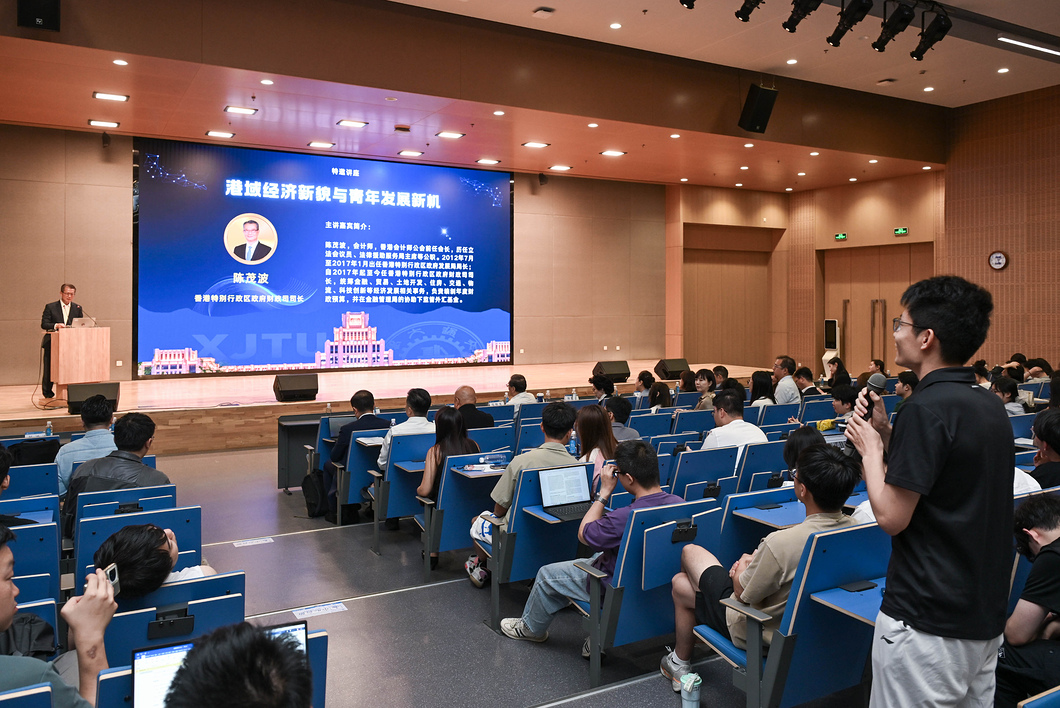
|
| Delivering a speech and engaging with students at Xi'an Jiaotong University. |
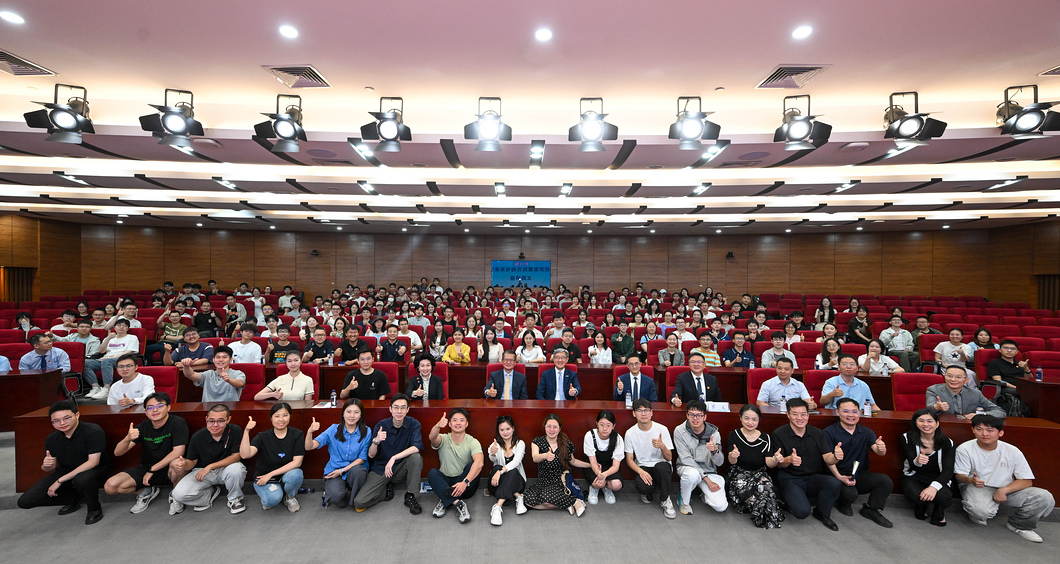
|
| Attending a seminar at Northwestern Polytechnical University during my visit to Xi'an. |
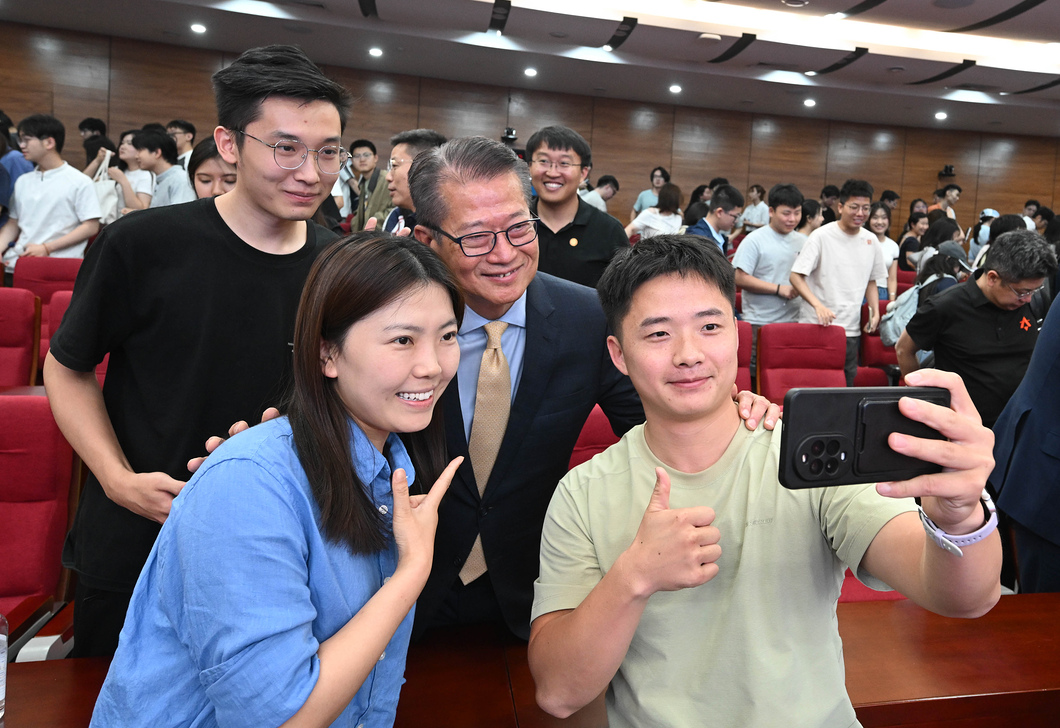
|
| Engaging with students at Northwestern Polytechnical University. |
My third observation concerns the vibrant and frequent interplay among technology, education, talent and industry. Underpinned by their strong capabilities in basic research, universities in Liaoning and Shaanxi have brought together top-tier scientific research talent. Xi'an, in particular, stands out in space science and aeronautical engineering. It has launched a number of industry-academia-research collaboration projects in areas such as lasers, testing, industrial intelligence, semiconductors, energy storage, new materials, and life and health. In recent years, through institutional reforms, Xi'an has gone further in encouraging researchers to translate their findings into real-world applications. Entrepreneurship is thriving on its campuses, with many doctoral students in science and engineering having founded one or two technology enterprises of their own to bring their research to market.
This aligns well with the direction we are pursuing for the Northern Metropolis (NM). The fast-developing NM will be home to our future university town, while also providing space for enterprises to establish a presence and for industries to grow. We welcome closer co-operation with institutions and enterprises from the two regions to bring together more world-class research teams, international experts and talent. This will help create a virtuous cycle in which education, technology, talent and industry reinforce one another, driving technological and industrial innovation to advance in greater depth, breadth and across multiple dimensions.
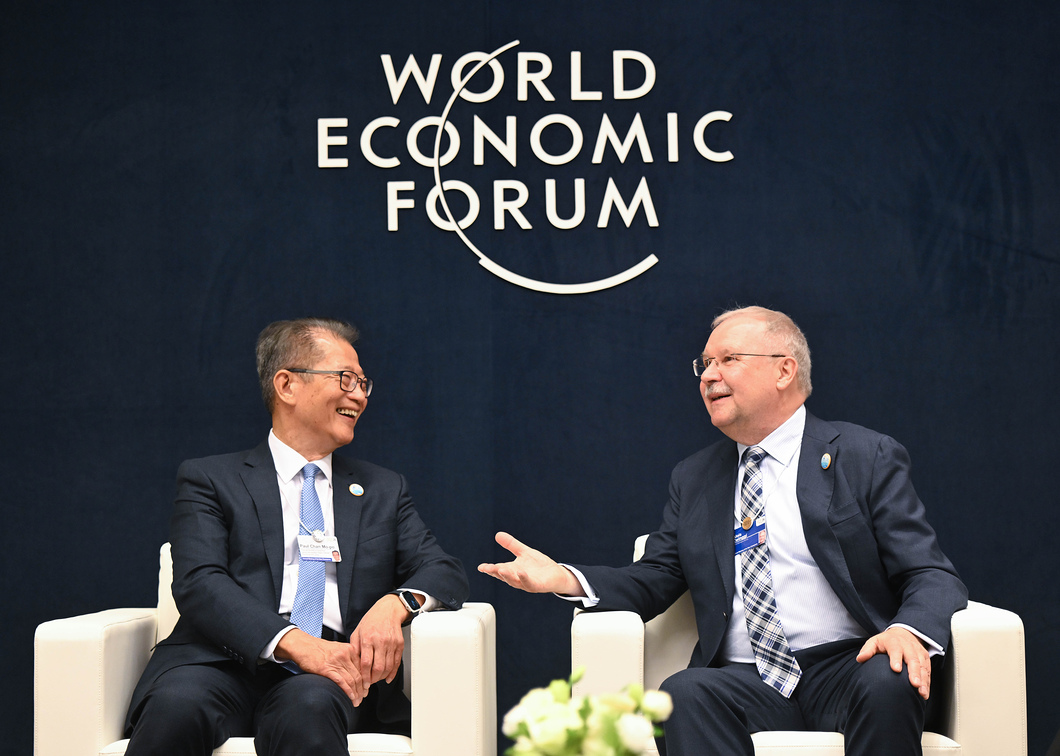
|
| Meeting with the President and Chief Executive Officer of the WEF, Mr Alois Zwinggi (right), during the WEF's Annual Meeting of the New Champions 2026 in Dalian. |
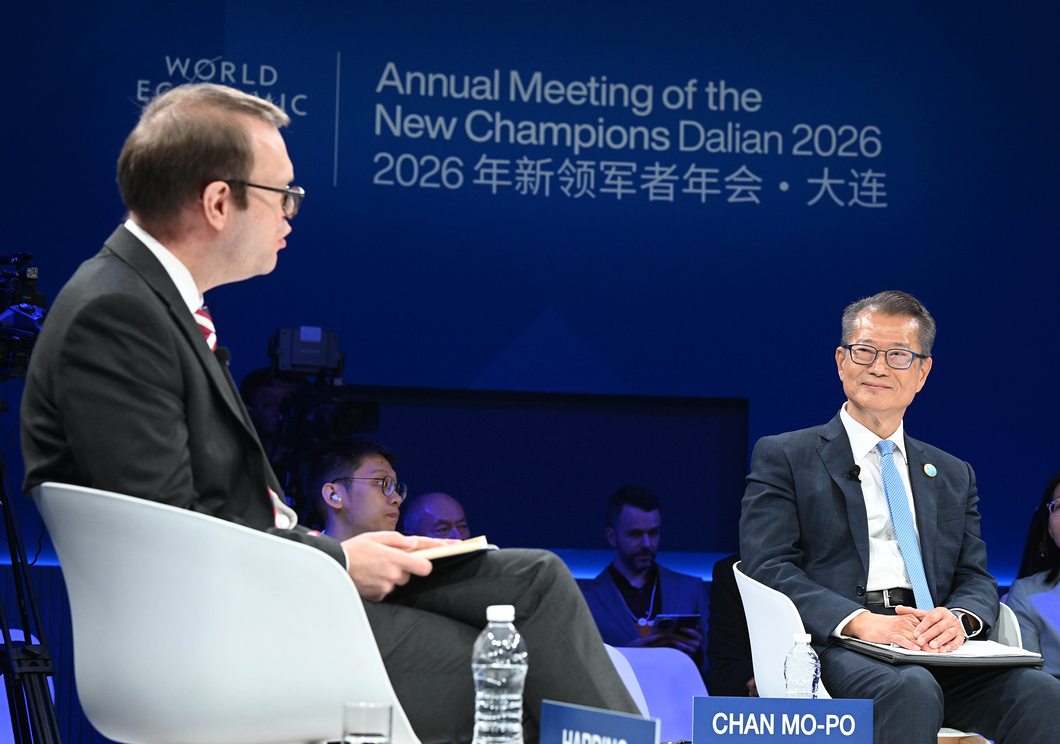
|
| Engaging with fellow panellists at the "Is Finance Dividing Us?" session of the WEF's Annual Meeting of the New Champions 2026. |
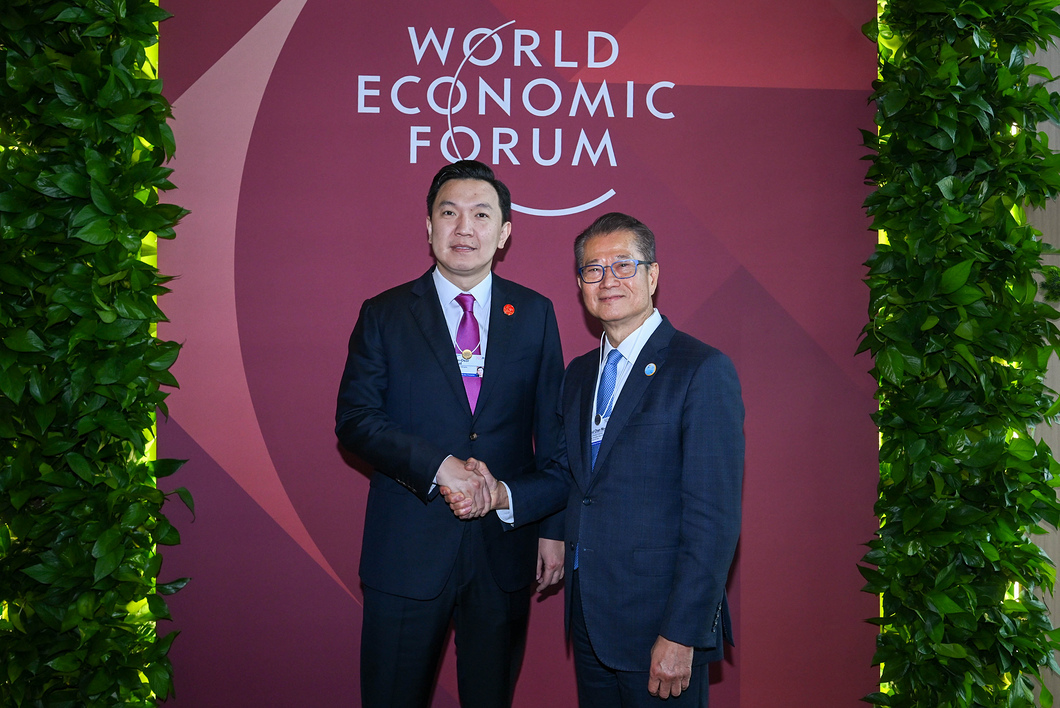
|
| Meeting with the Prime Minister of Mongolia, Mr Oyun-Erdene Luvsannamsrai (left), during the WEF's Annual Meeting of the New Champions 2026 in Dalian. |
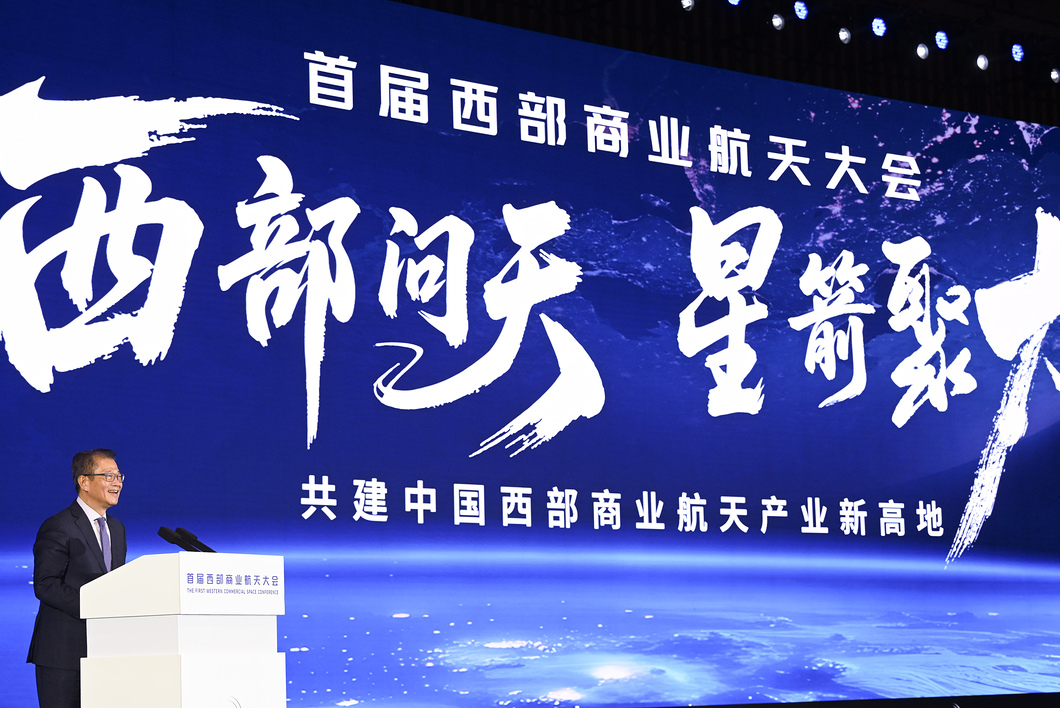
|
| Delivering a speech at the First Western Commercial Space Conference in Xi'an. |
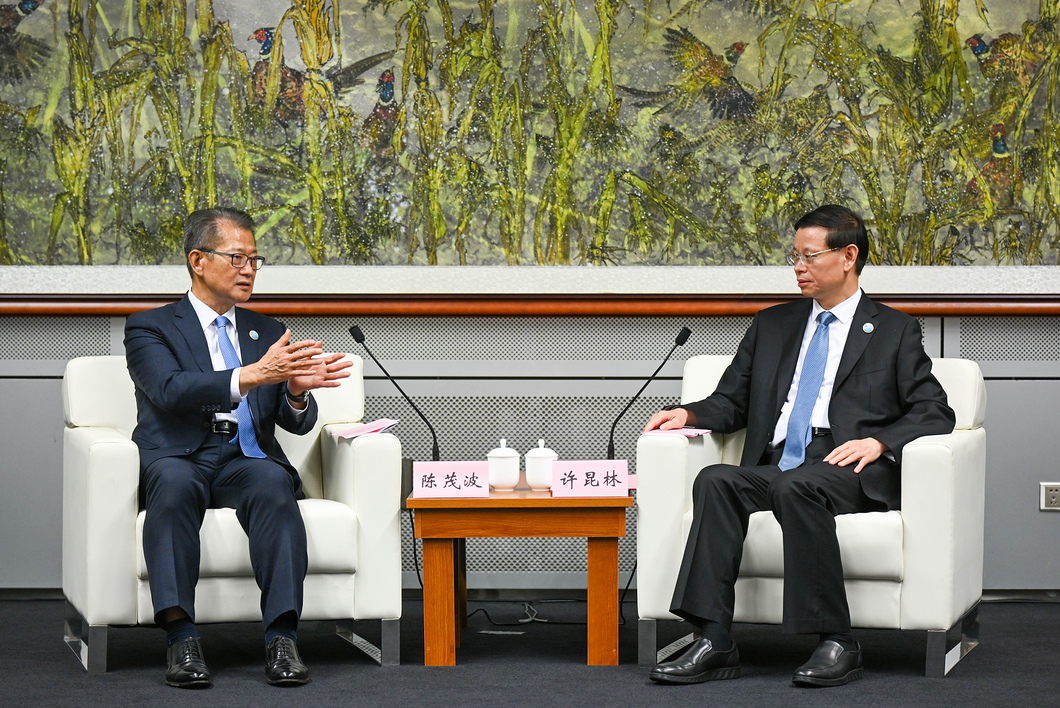
|
| Calling on the Secretary of the CPC Liaoning Provincial Committee, Mr Xu Kunlin (right), during my visit to Dalian. |
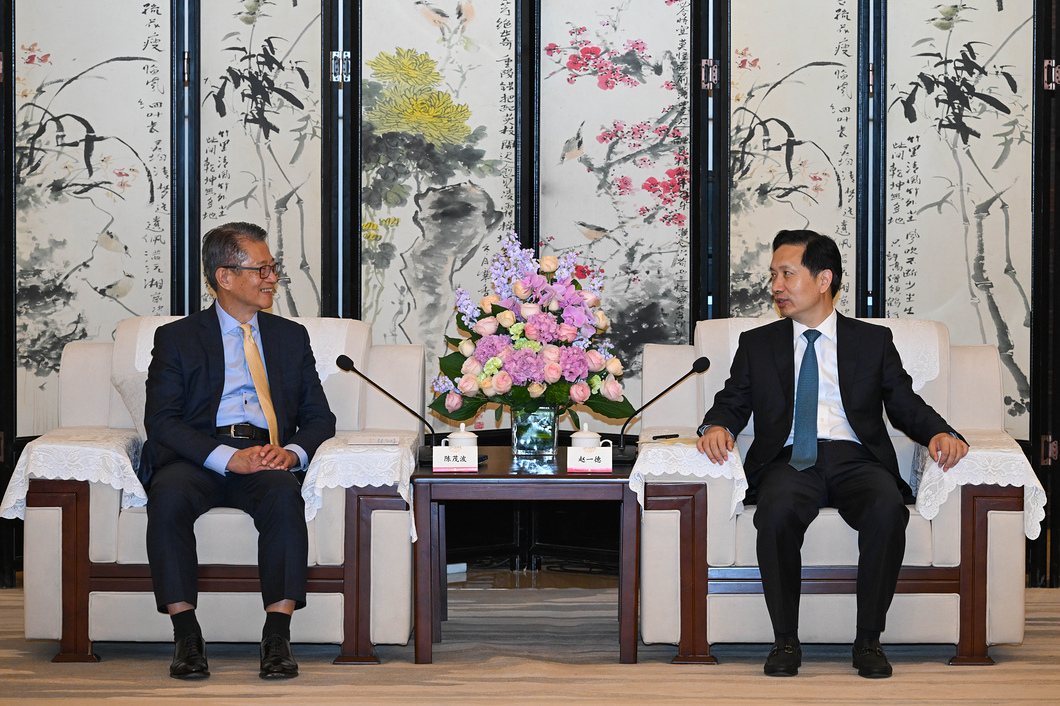
|
| Calling on the Secretary of the CPC Shaanxi Provincial Committee, Mr Zhao Yide (right), during my visit to Xi'an. |
In the face of today's complex and ever-changing global landscape, our country is creating "China Opportunity 2.0" through its mega-sized market and technological innovation. With our international connectivity, capital, talent and institutional strengths under the "one country, two systems" framework, Hong Kong can translate these opportunities into development prospects that are more tangible and accessible to overseas investors. In doing so, we can turn technological strengths into asset value recognised by global capital.
Whether it is Dalian's heavy equipment or Xi'an's hard technology, Hong Kong is playing the roles of "super connector", "super value-adder" and "super adapter" — empowering Mainland enterprises and adding value to them, while at the same time achieving continued development and functional enhancement for itself.
June 28, 2026