Blog
World Economic Forum Annual Meeting 2026
The World Economic Forum (WEF) Annual Meeting held in Davos, Switzerland, has just been concluded. The Annual Meeting brought together about 3 000 political and business leaders from different countries and regions. Through intensive meetings, participants exchanged perspectives and ideas, hoping to better grasp macro trends and the pulse of development at this pivotal historical juncture.
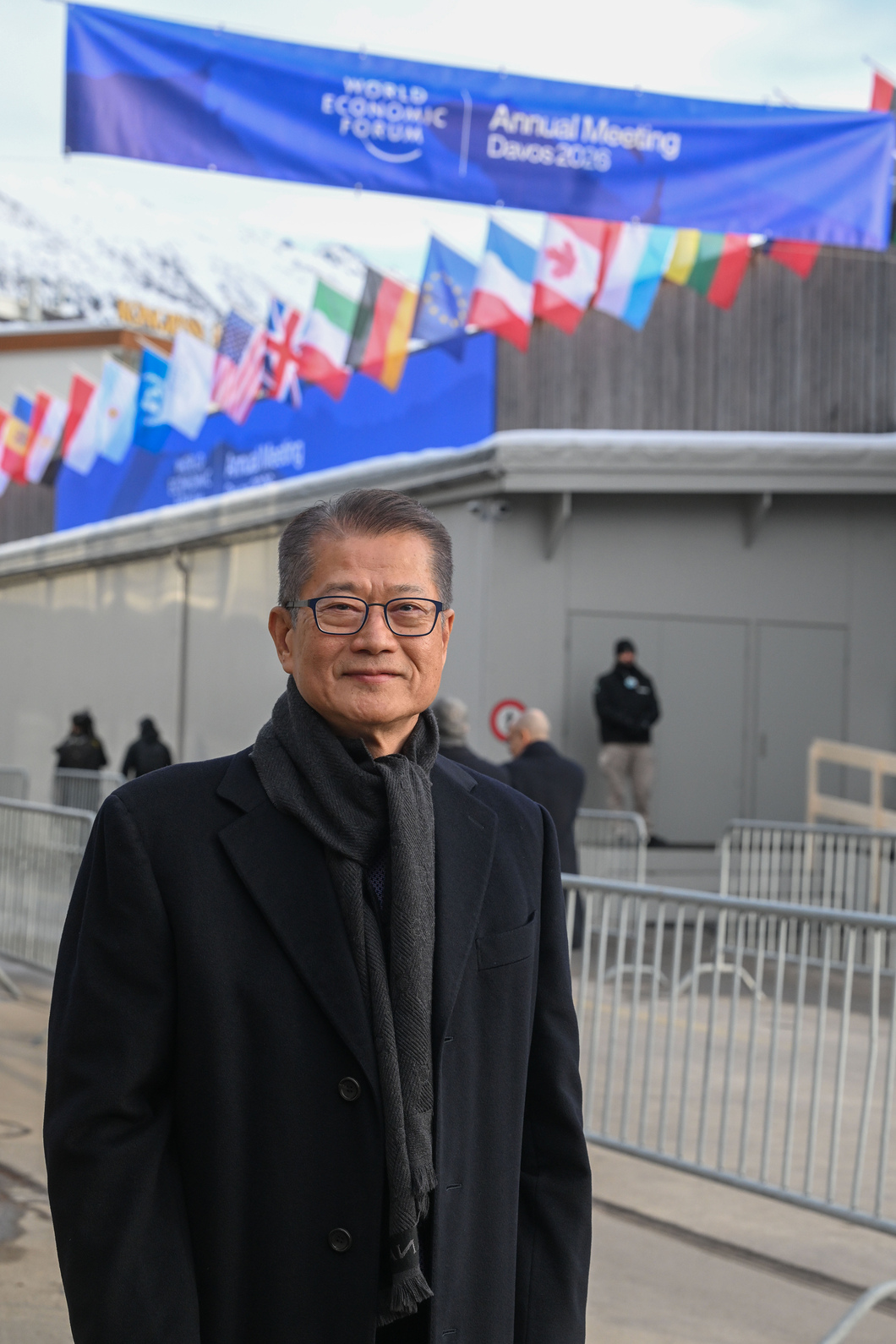
|
| Attending the WEF Annual Meeting 2026 in Davos, Switzerland. |
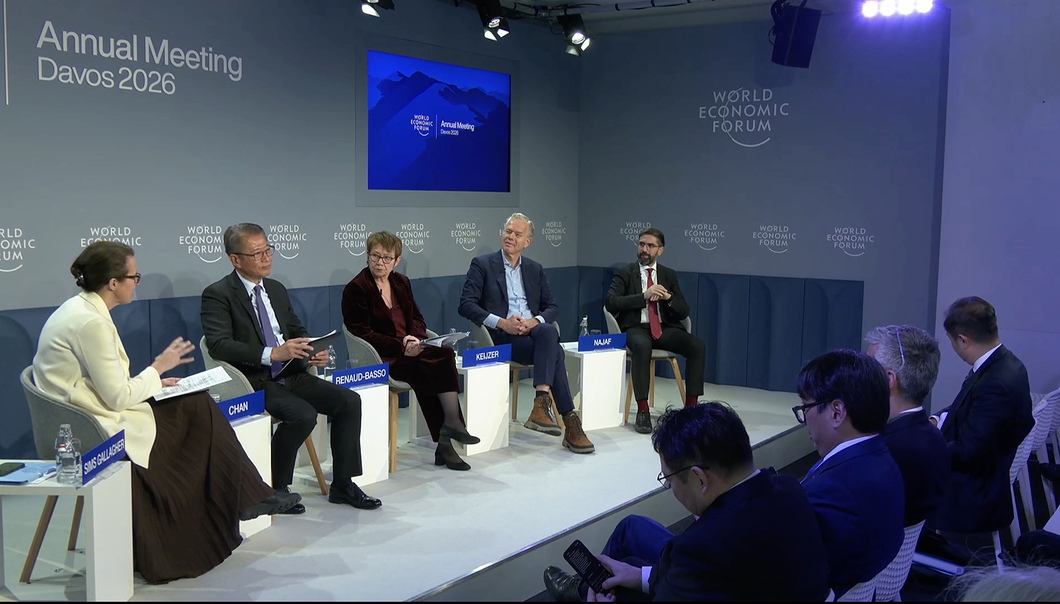
|
| Serving as a speaker at a thematic session titled "How to Finance Decarbonization?". |
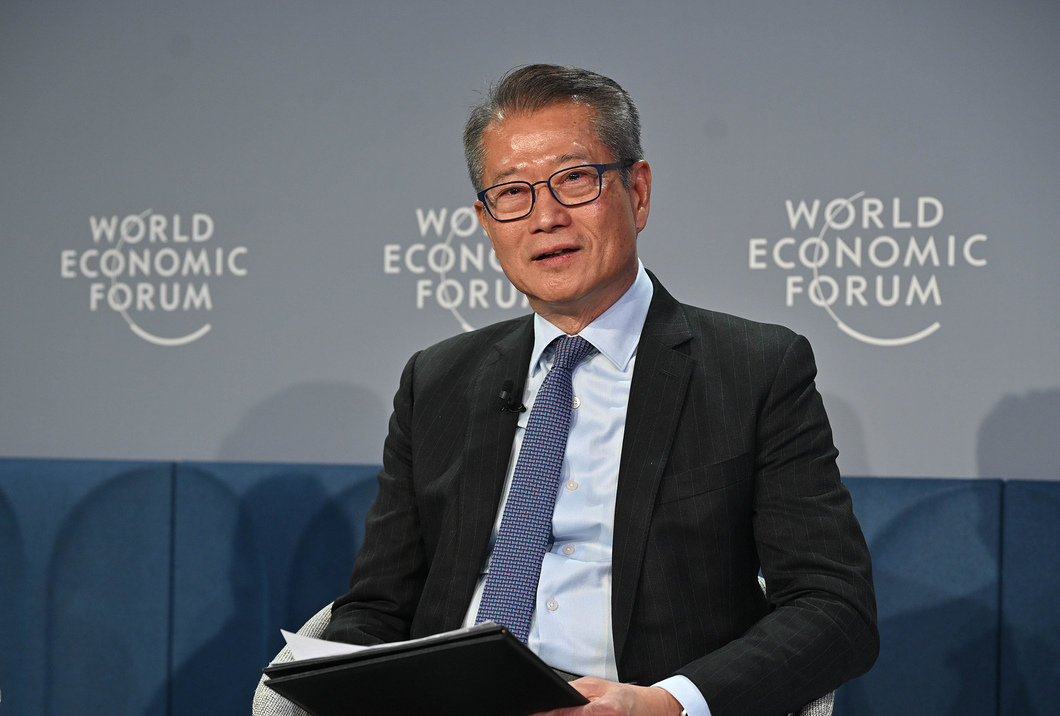
|
| Serving as a speaker at a thematic session titled "How to Finance Decarbonization?". |
Over the past year or so, we have all witnessed and experienced the intensification of unilateralism and hegemonism, now reaching a critical point where choices must be made. Against this backdrop, this year's meeting exhibited a distinct yet more profound tension compared with previous ones: given the severe disruption to the existing international order, leaders from around the world raised many questions about where the world is heading and what direction it should take, while also putting forward their own proposals. Whether advocating for Europe's strategic independence or calling for "middle powers" to act together, these voices all point toward diversifying economic relationships — and even security relationships — in order to strengthen strategic resilience.
Indeed, fragmentation and divisions in the international community were more pronounced at this Annual Meeting. However, for the vast majority of countries and regions, the world must not revert to the "law of the jungle" where the strong prey on the weak; instead, mutual respect, seeking common ground amid differences, and shared development remain as deep-seated aspirations of the people. Many political and business leaders I met at the meeting expressed a common view: as the world is now confronting complex development and governance challenges, we should work together to uphold multilateralism and resolve issues through dialogue and cooperation.
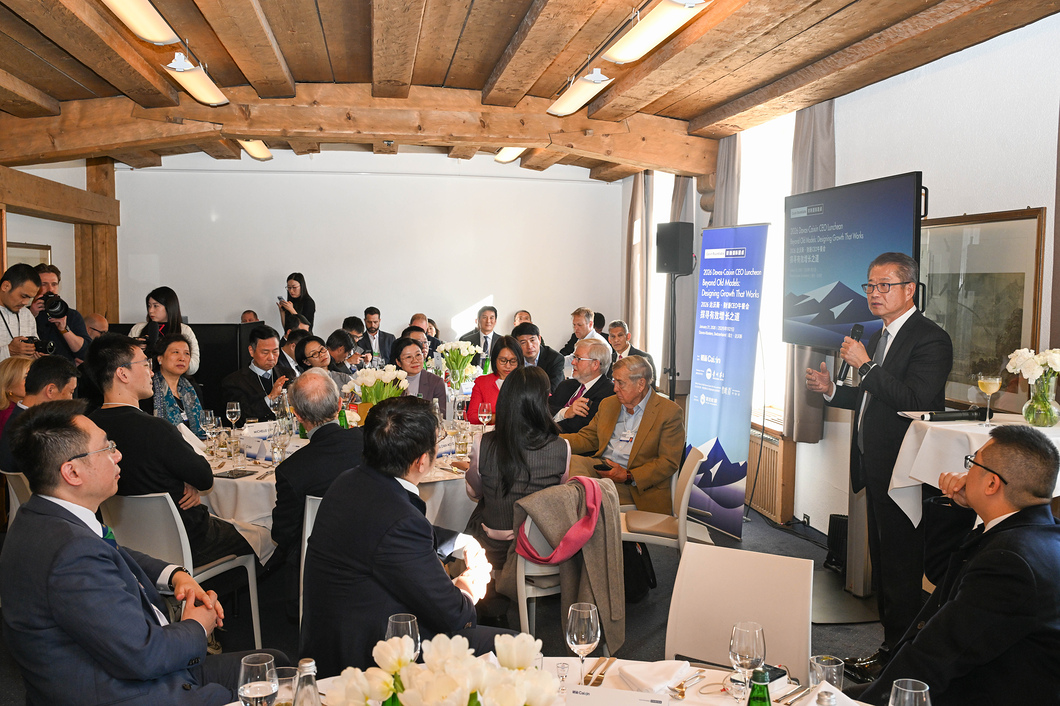
|
| Delivering a keynote speech at the "2026 Davos-Caixin CEO Luncheon". |
|
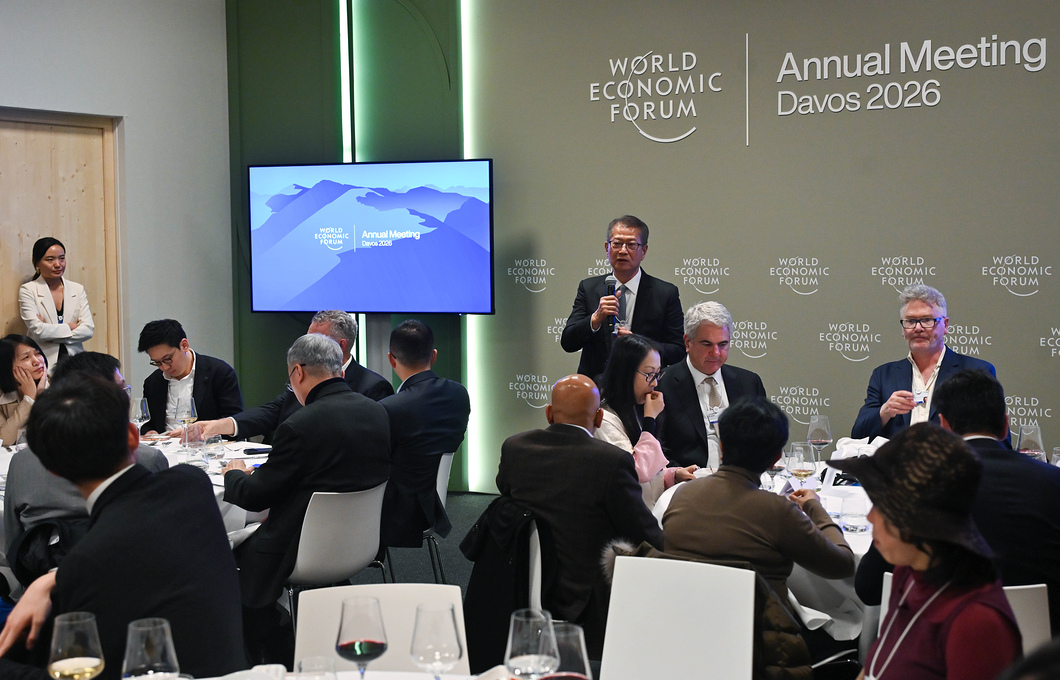
| Attending and speaking at a dinner meeting themed "China in Focus". |
In his address at the Annual Meeting this year, Vice Premier He Lifeng of the State Council highlighted four key points: firmly supporting free trade and jointly advancing a universally beneficial and inclusive economic globalisation; firmly safeguarding multilateralism, making the international order more just and equitable; adhering to win-win cooperation, working to make the "pie" bigger and resolve development challenges together; as well as upholding mutual respect and equal-footed consultation, making good use of dialogue to properly manage differences and resolve problems. He also noted that China would actively expand domestic demand, steadfastly widen opening-up, accelerate technological innovation, and pursue green development. All these represent China's consistent and unequivocal stance, demonstrating our nation's strategic resolve, as well as policy coherence and predictability.
China's rapid development remained as a focal point of attention at the meeting this year. In fact, with improvements in workforce capabilities, leapfrogging advancement in technology, and people's growing aspirations for a better life, developed economies should recognise that China's previous growth model, which was driven by the exports of labour-intensive products, has been undergoing a qualitative transformation. Its high-end industrial and technological products are rapidly gaining market share internationally. Meanwhile, China's middle-income groups are expanding quickly, offering enormous consumption potentials and creating substantial opportunities for foreign-invested enterprises. In observing China, they are undergoing a "paradigm shift."
|
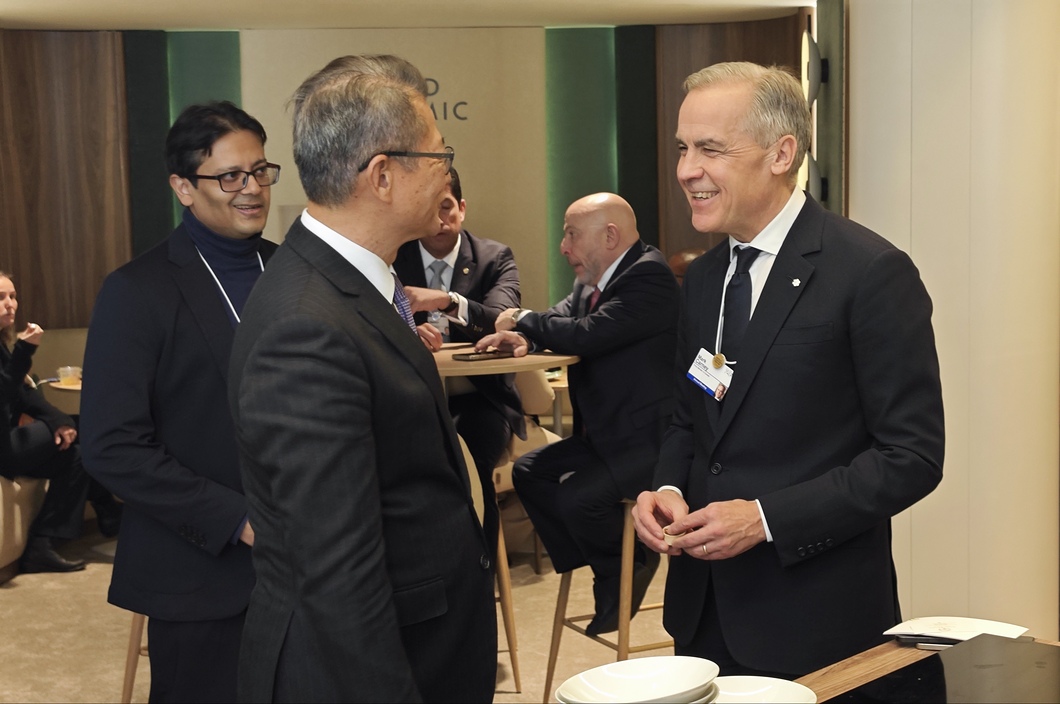
| Having a chat with the Prime Minister of Canada, Mr Mark Carney. |
|
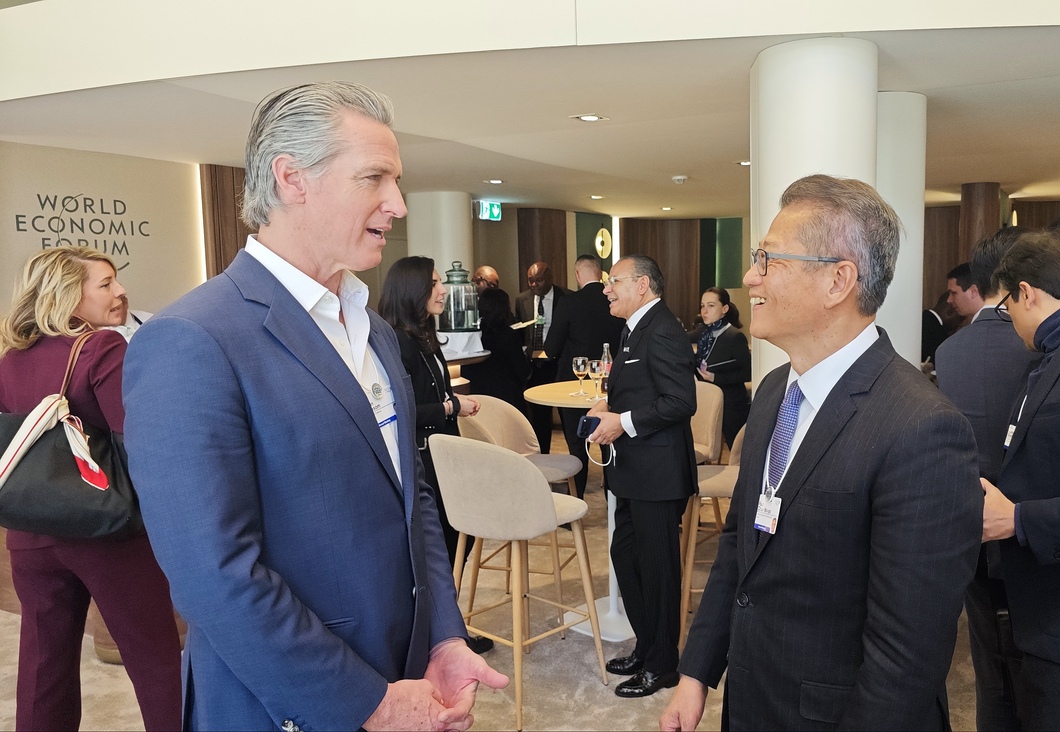
| Having a chat with the Governor of California, the United States, Mr Gavin Newsom. |
|
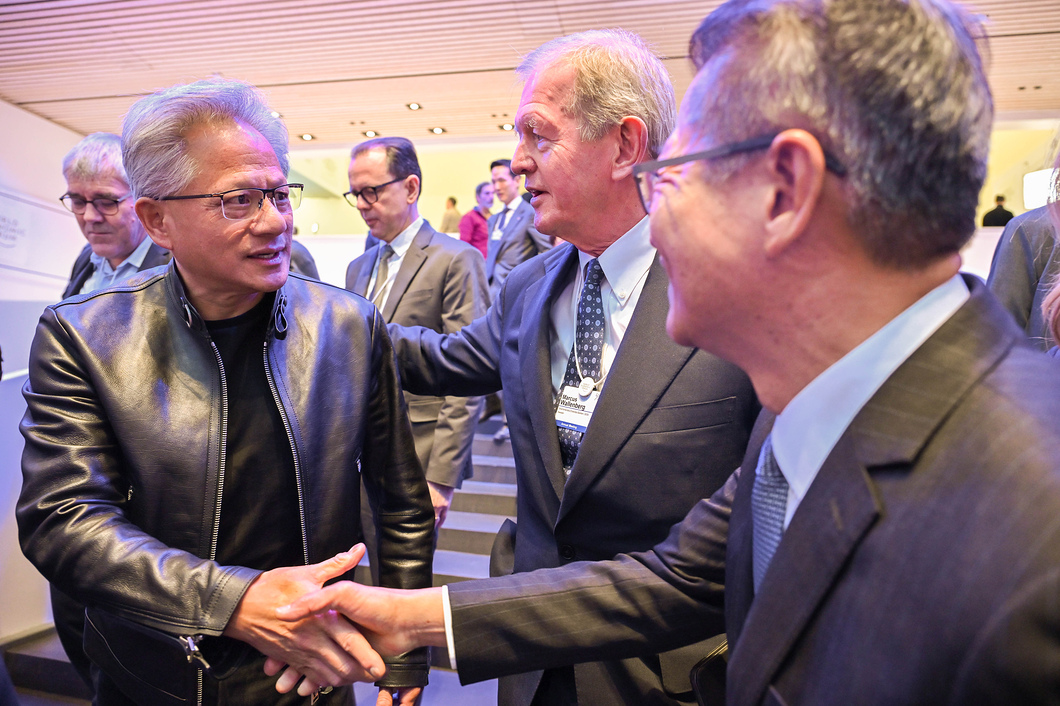
| Having a chat with the Co-founder and Chief Executive Officer of NVIDIA, Mr Jensen Huang. |
|
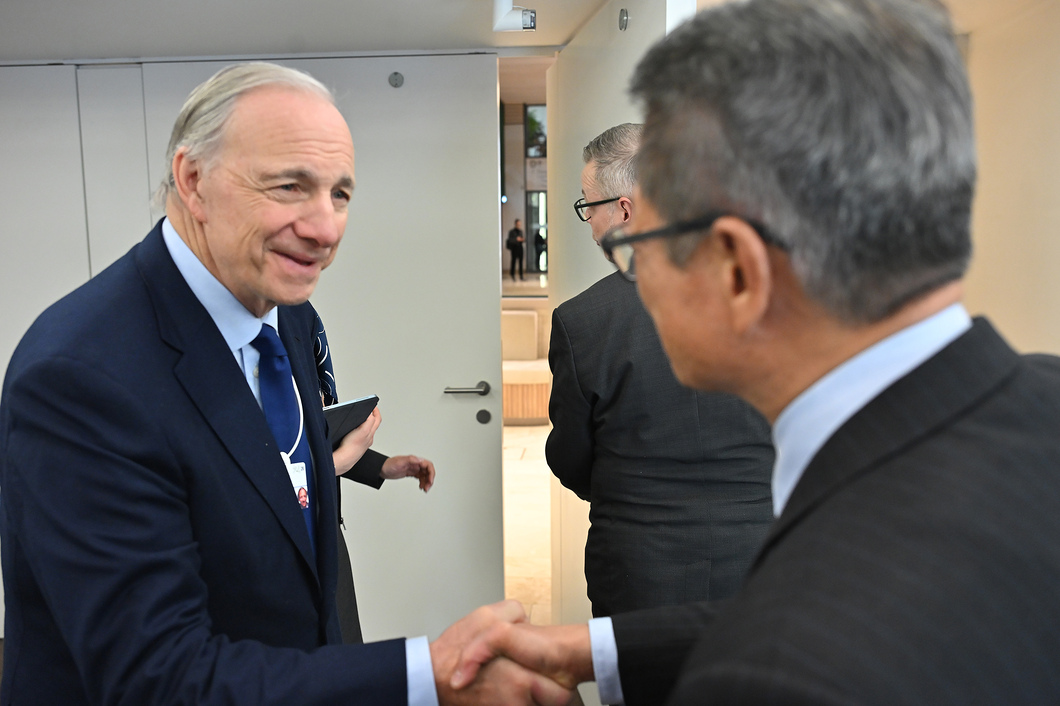
| Having a chat with the Founder of Bridgewater Associates, Mr Ray Dalio. |
|
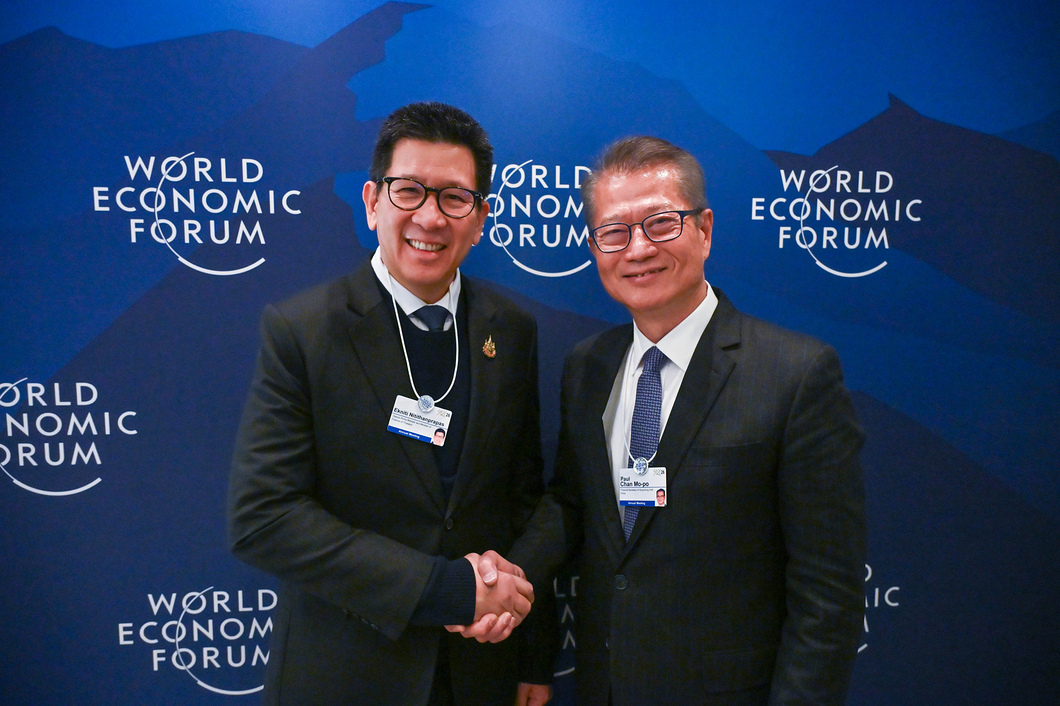
| Meeting with the Deputy Prime Minister and the Minister of Finance of Thailand, Mr Ekniti Nitithanprapas. |
|
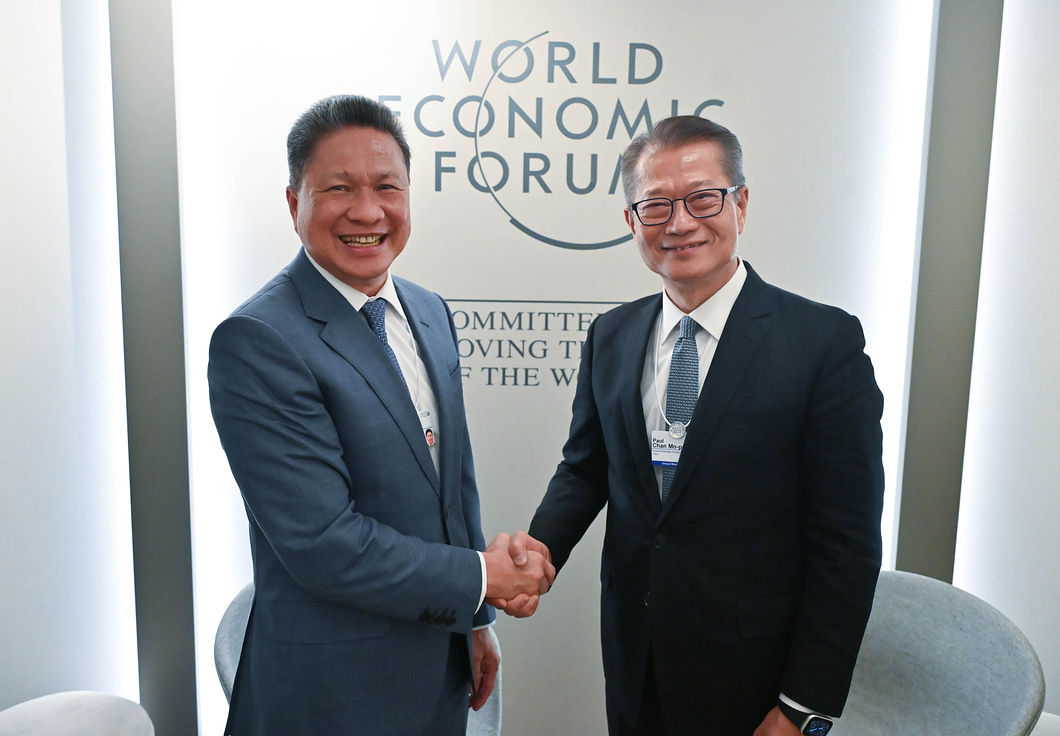
| Meeting with the Deputy Prime Minister of Cambodia, Mr Sun Chanthol. |
Beyond geopolitics, another focus of the Annual Meeting was the direction of technological transformation. During this year's meeting, it was not difficult to see that various countries showed great interest, anticipation and concern regarding the development of cutting-edge technologies and the ways in which technology is profoundly reshaping traditional industries. There is a consensus that the ability to master and advance innovative technologies has become a "make-or-break" factor for sustaining economic momentum and competitiveness. Focal points of discussion included how to leverage artificial intelligence (AI) to support economic growth, and how to address employment challenges arising from AI's development.
At this Annual Meeting, I, together with other members of the "Hong Kong Inc." (including representatives from public organisations, the finance and innovation and technology (I&T) sectors, academia and the media), actively engaged with global leaders through public speeches, roundtable discussions and bilateral meetings, briefing them on Hong Kong's latest developments and publicising its competitive advantages. The continued inflow of international capital into Hong Kong and the positive momentum in its financial markets have captured the attention of these leaders, who expressed strong interest in Hong Kong's steady and promising development outlook. Overall, participants were generally positive about China's and Hong Kong's economic development and prospects—a marked shift from their attitude in the past few years.
|
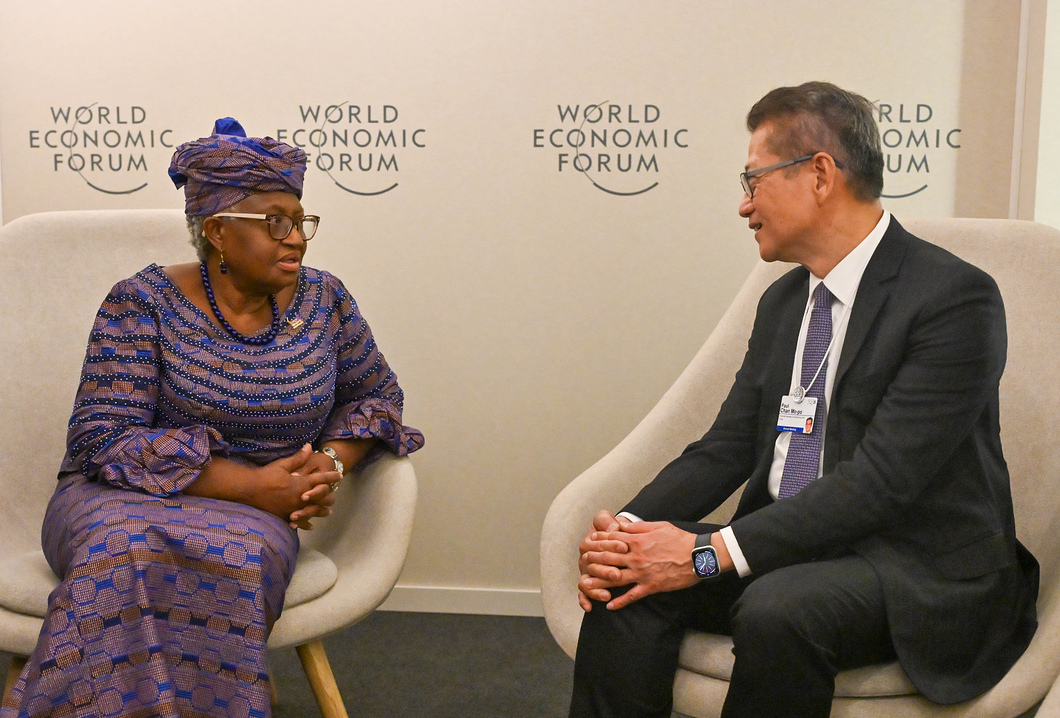
| Meeting with the Director-General of the World Trade Organization, Dr Ngozi Okonjo-Iweala. |
|
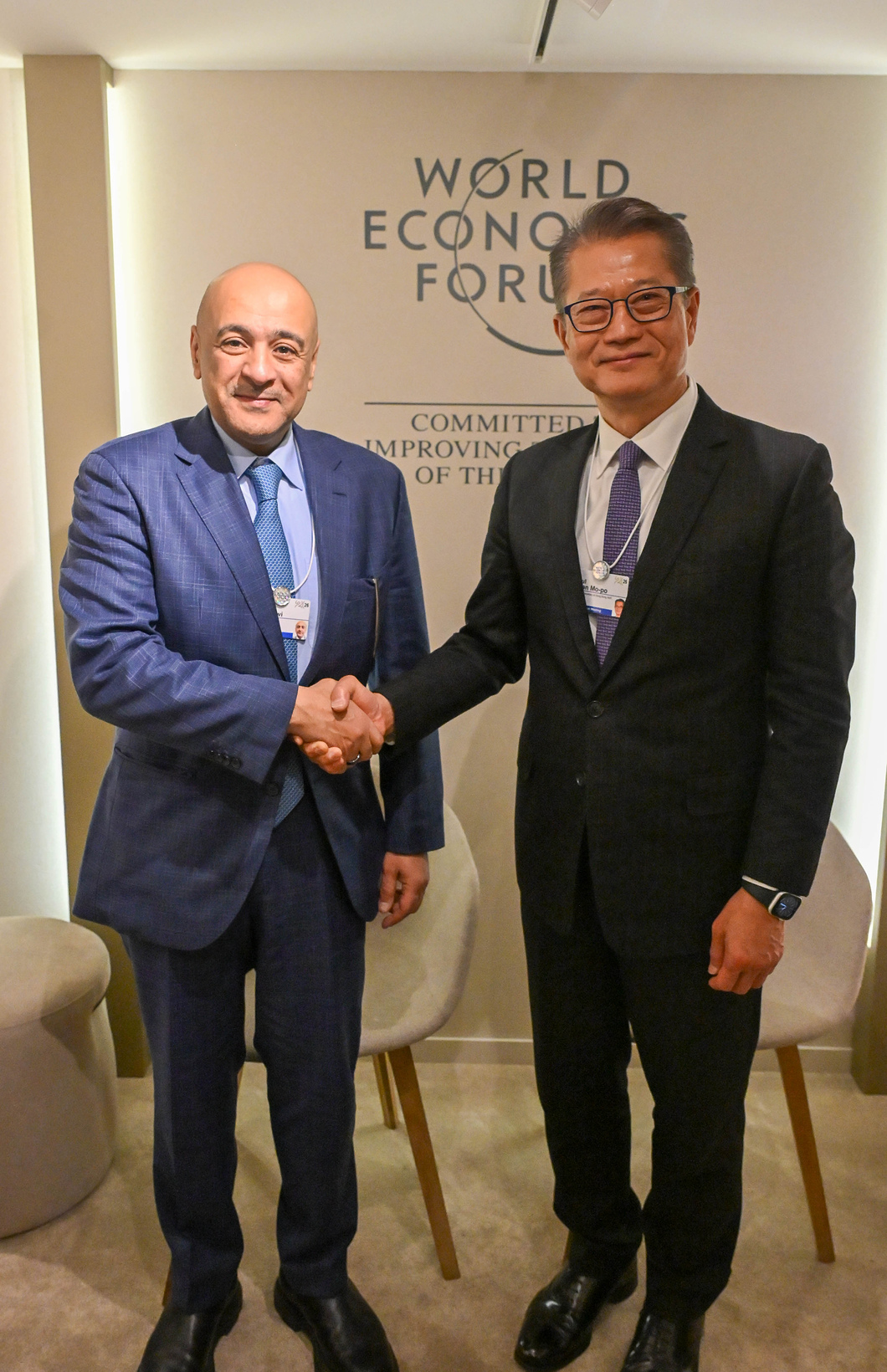
| Meeting with the Secretary General of the Cooperation Council for the Arab States of the Gulf, Mr Jasem Mohamed Albudaiwi. |
|
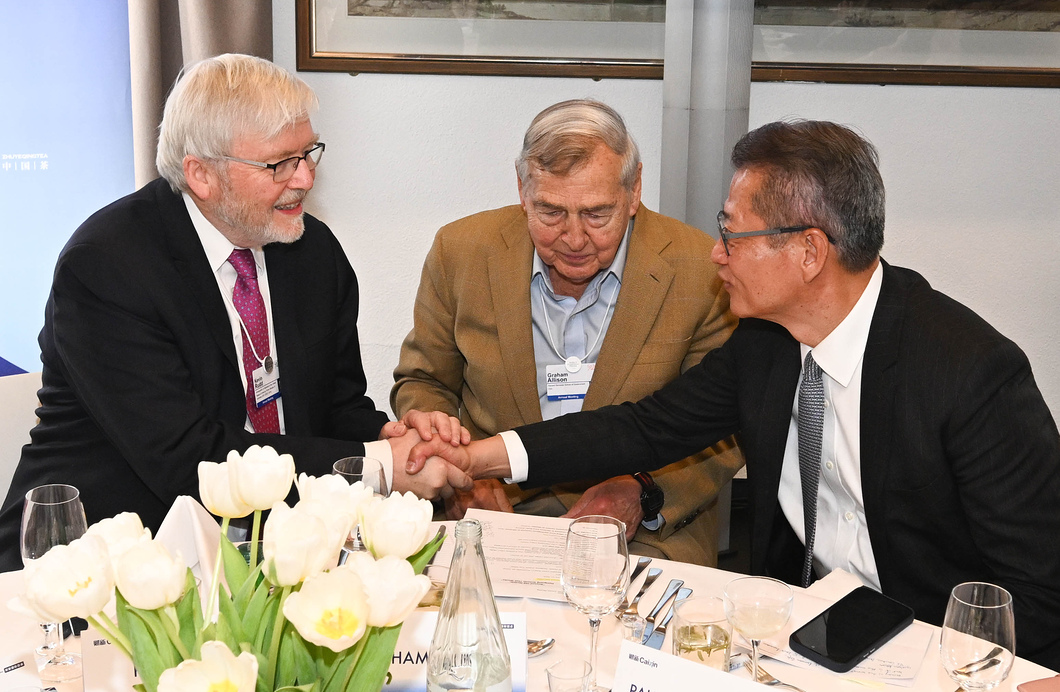
| Having a chat with Australia's Ambassador to the United States, Dr Kevin Rudd (left), at the "2026 Davos-Caixin CEO Luncheon". |
|
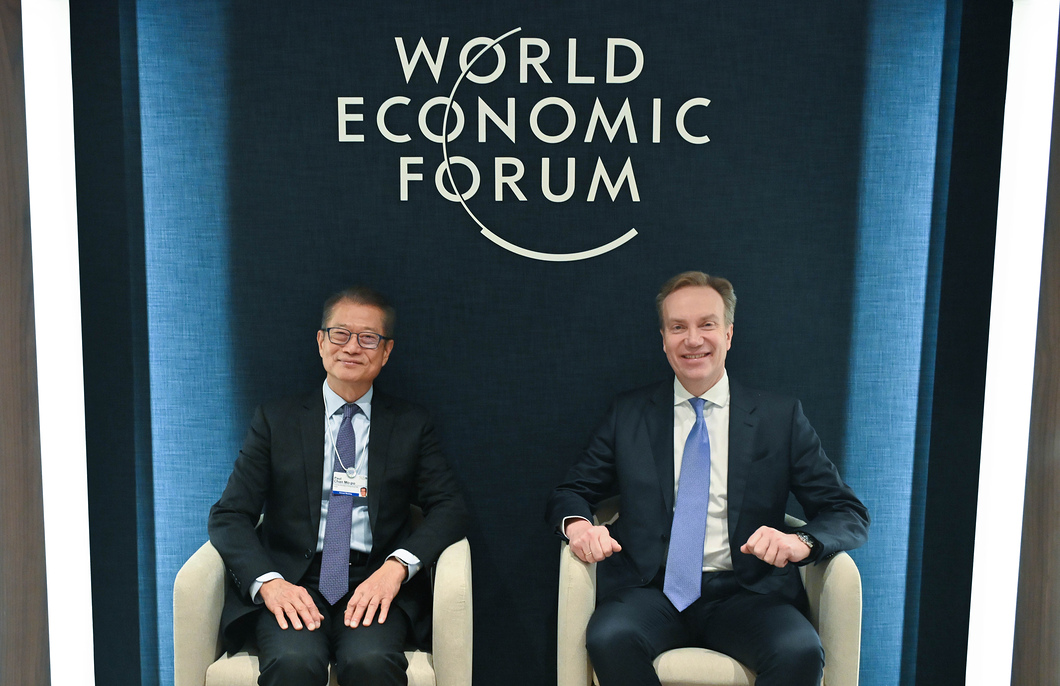
| Meeting with the President and Chief Executive Officer of the WEF, Mr Børge Brende. |
As countries around the world adjust their strategies to develop more diversified and resilient economic, trade and industrial and supply chain partnerships, Hong Kong, as a "super connector" and "super value-adder" linking China and the world, is expected to benefit from this trend and open up new opportunities.
Take the I&T industry as an example. Through years of efforts by the HKSAR Government and the industry, Hong Kong has achieved solid progress in areas such as AI and biomedicine, where the global investment community is paying heightened attention to, as investors compete to identify start-ups with the greatest breakout potential. Together with its sister cities in the Guangdong–Hong Kong–Macao Greater Bay Area, Hong Kong possesses one of the most dynamic I&T clusters with multiple top-100 universities, strong research capabilities, a well-developed production system, and a vibrant venture-capital ecosystem—making it an important region that international capital cannot overlook when seeking investment opportunities.
Green transformation is another example. Although some countries are stepping away, the international community is generally sustaining its efforts towards carbon neutrality. China's frontier technologies and vast production capacity in the green energy sector are powerful drivers enabling the implementation of energy transition around the world. Hong Kong can actively strengthen its role as an international green finance centre by further diversifying and innovating green finance products, while channelling more capital into decarbonisation to help narrow the funding gap.
|
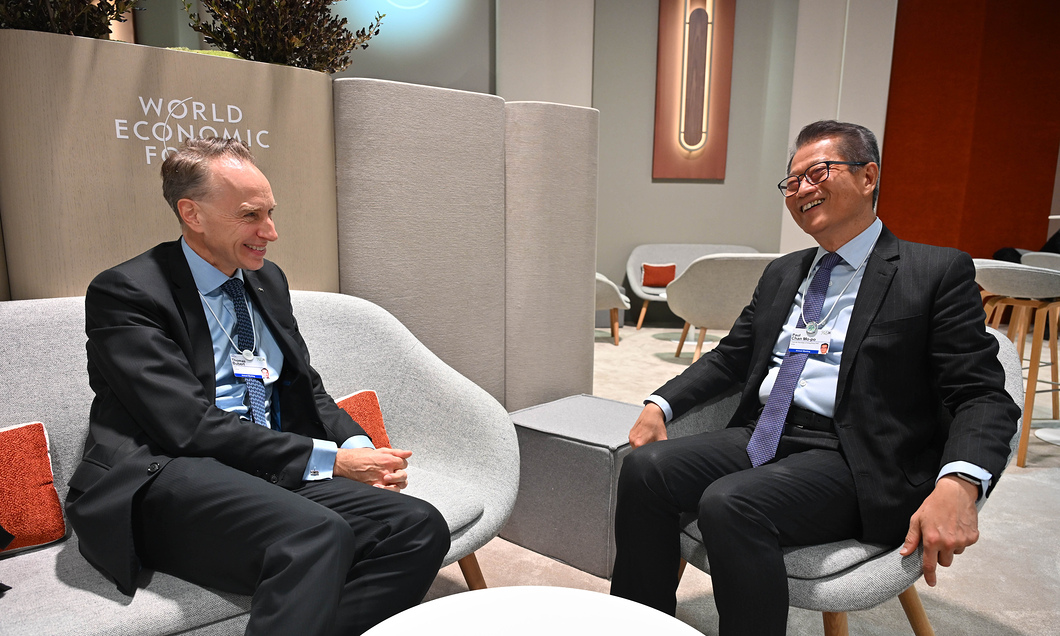
| Meeting with the Chief Executive Officer of the AXA Group, Mr Thomas Buberl. |
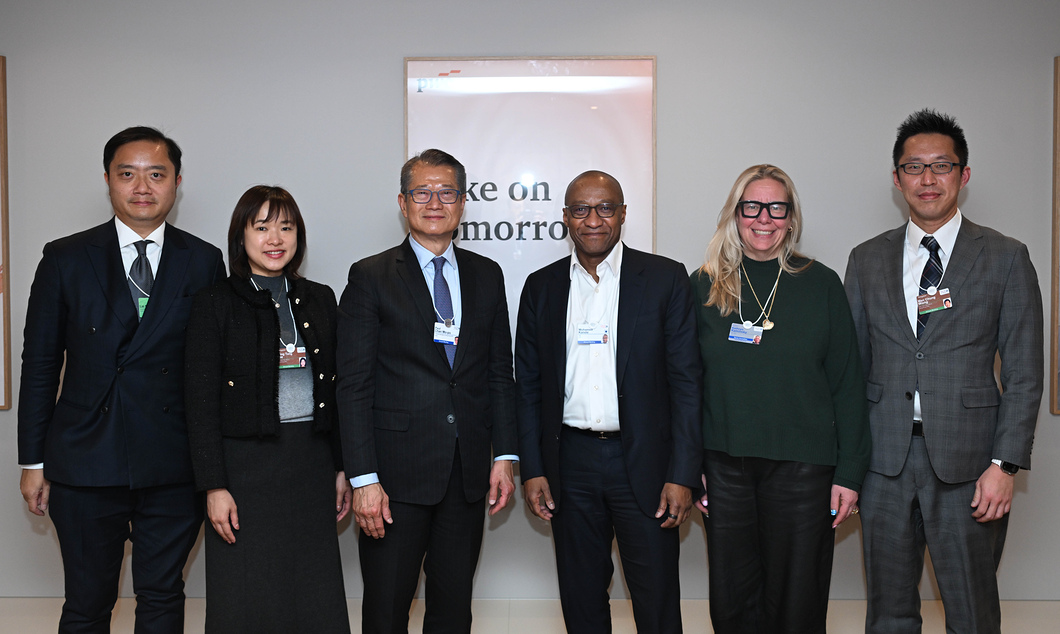
|
| Meeting with the Global Chairman of PricewaterhouseCoopers, Mr Mohamed Kande (third from right). |
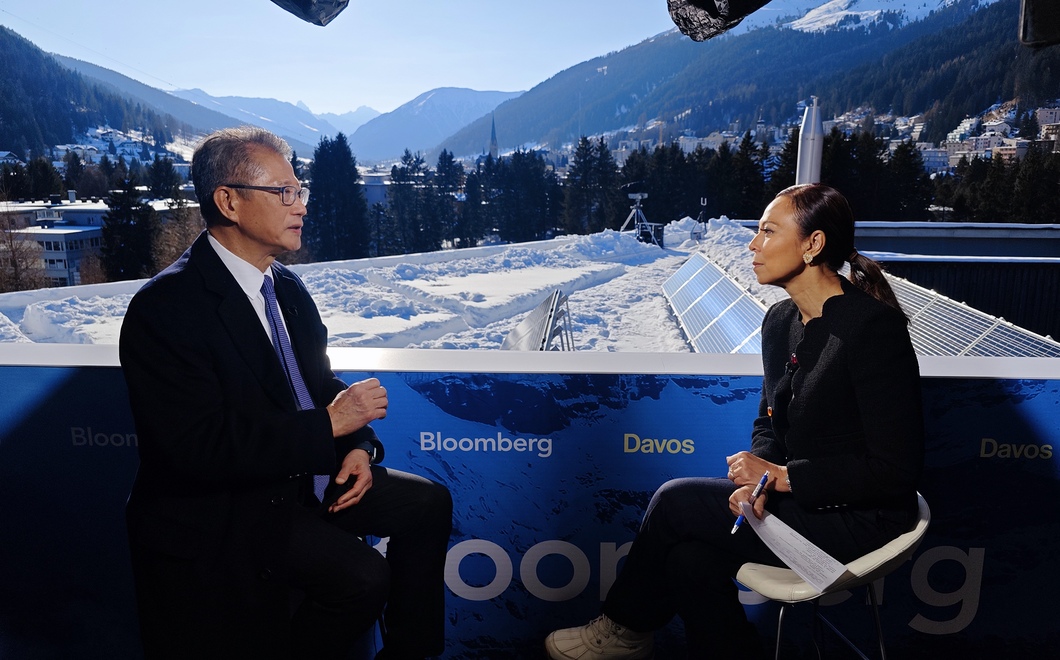
|
| Giving an interview to the financial media outlet Bloomberg in Davos, Switzerland. |
As changes unseen in a century accelerate, and competition among major countries intensifies, we must remain highly vigilant against geopolitical risks and strengthen our sense of preparedness. Equally important is seizing the new opportunities arising from the country's efforts to boost high-level two-way opening-up and advance high-quality development. We should fully leverage Hong Kong's unique advantage of being connected to both the Mainland and the world to create greater room for our own development, while contributing to fostering dialogue and cooperation at the international level.
January 25, 2026