Blog
Seeing the Blueprint through to Completion
The Fourth Plenary Session of the 20th Central Committee of the Communist Party of China (CPC Central Committee) was successfully held last week. The session adopted the Recommendations of the CPC Central Committee for Formulating the 15th Five-Year Plan for Economic and Social Development (15th Five-Year Plan), which lays out a comprehensive and strategic roadmap for our country's social and economic development over the next five years. At the time when the Fourth Plenary Session was held, I led a delegation from the Hong Kong Special Administrative Region (HKSAR) to visit the Beijing Municipal Administrative Center and the Xiong'an New Area in Hebei. Witnessing the dramatic transformations in the two regions in just a few years was both impressive and enlightening for me and many members of our delegation. We agreed that the experiences of the two regions offer valuable insights and references for the future development of Hong Kong's Northern Metropolis.
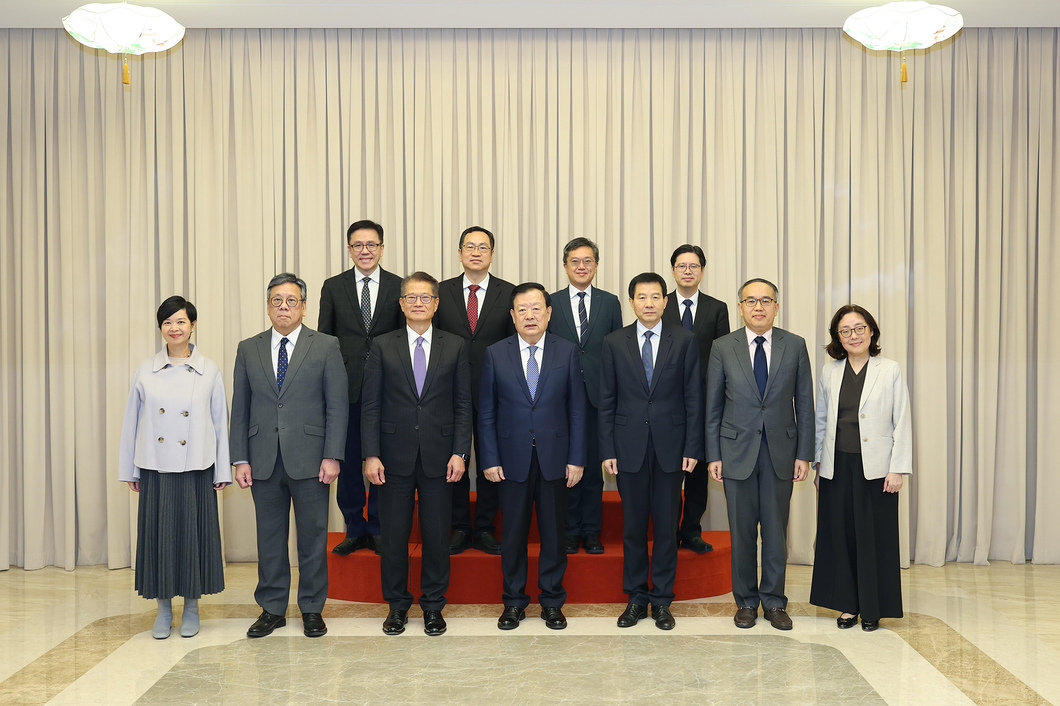
|
| Last Friday, Director of the Hong Kong and Macao Work Office of the Communist Party of China Central Committee and the Hong Kong and Macao Affairs Office of the State Council, Mr Xia Baolong (front row, centre), met with me and the officials of the delegation in Beijing, including Secretary for Financial Services and the Treasury, Mr Christopher Hui (front row, second right); Secretary for Commerce and Economic Development, Mr Algernon Yau (front row, second left); Secretary for Development, Ms Bernadette Linn (front row, first right); Secretary for Housing, Ms Winnie Ho (front row, first left); and Secretary for Innovation, Technology and Industry, Professor Sun Dong (back row, first left). |
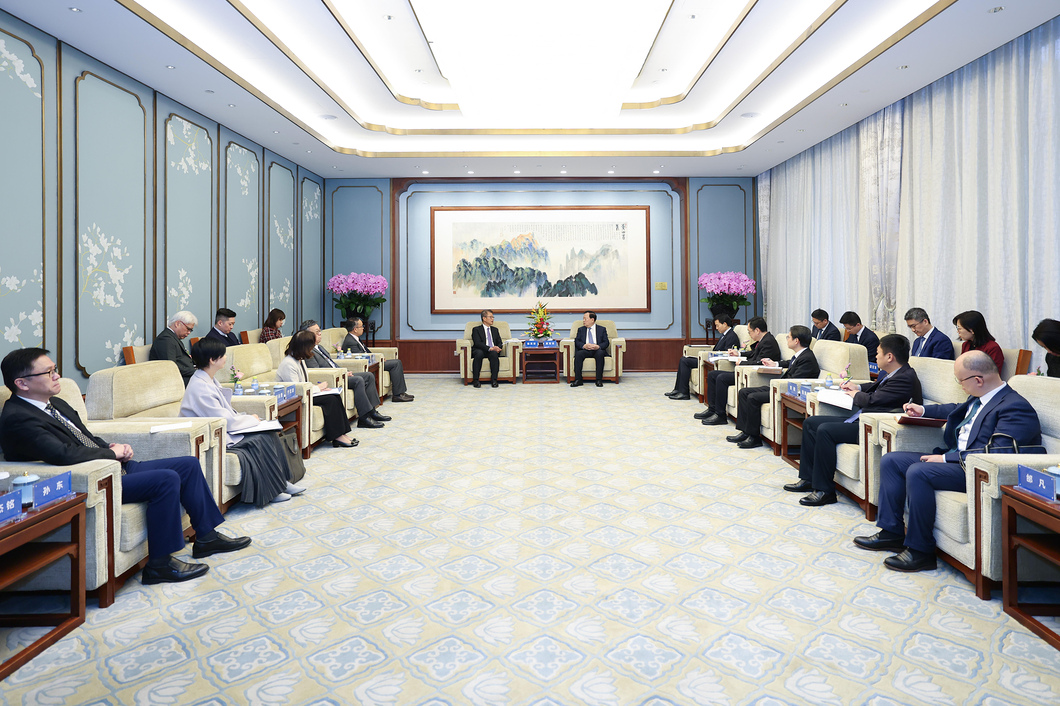
|
| Director of the Hong Kong and Macao Work Office of the Communist Party of China Central Committee and the Hong Kong and Macao Affairs Office of the State Council, Mr Xia Baolong (front row, sixth right) meeting with me and the officials of the delegation in Beijing. |
From the adoption of the 15th Five-Year Plan at the Fourth Plenary Session to the rapid development of the Xiong'an New Area and other regions across the country, it is evident that our country has established a governance system and development model that aligns with national realities through the continuous summarisation of experiences and enhancement of standards.
The scientific formulation and consistent implementation of Five-Year Plans has been our country's key governance experience and a political strength of socialism with Chinese characteristics. Social and economic development goals established through scientific reasoning ensure strong continuity. Each Five-Year Plan builds upon its predecessors while adapting to new circumstances and embracing innovation.
The strengths of the country's policy continuity, powerful execution, as well as meticulous organisation and co-ordination are evident in areas from the holistic planning of national development, the systematic implementation of major infrastructure projects and the complete success in the fight against poverty to the leapfrog advancement in industrial structures. With the strong leadership of the Central Government and the concerted efforts of the entire country, China's development over the past five years has made outstanding achievements with many highlights. On economic development, the size of our country's economy grew at an average annual rate of 5.5% between 2021 and 2024, maintaining its contribution to global economic growth at 30% or so. Innovation and technology (I&T) has become a major driver of economic development, and our country has constantly made achievements in this respect. With continuous breakthroughs in frontier areas such as artificial intelligence and biomedicine, coupled with the accelerated cultivation of new quality productive forces, China now ranks first in terms of the number of the world's top 100 innovation clusters. Additionally, significant accomplishments have been made in green transformation and ecological environment protection. A convenient and secure living environment together with a warm and harmonious social atmosphere have continuously enhanced people's sense of achievement, happiness and security.
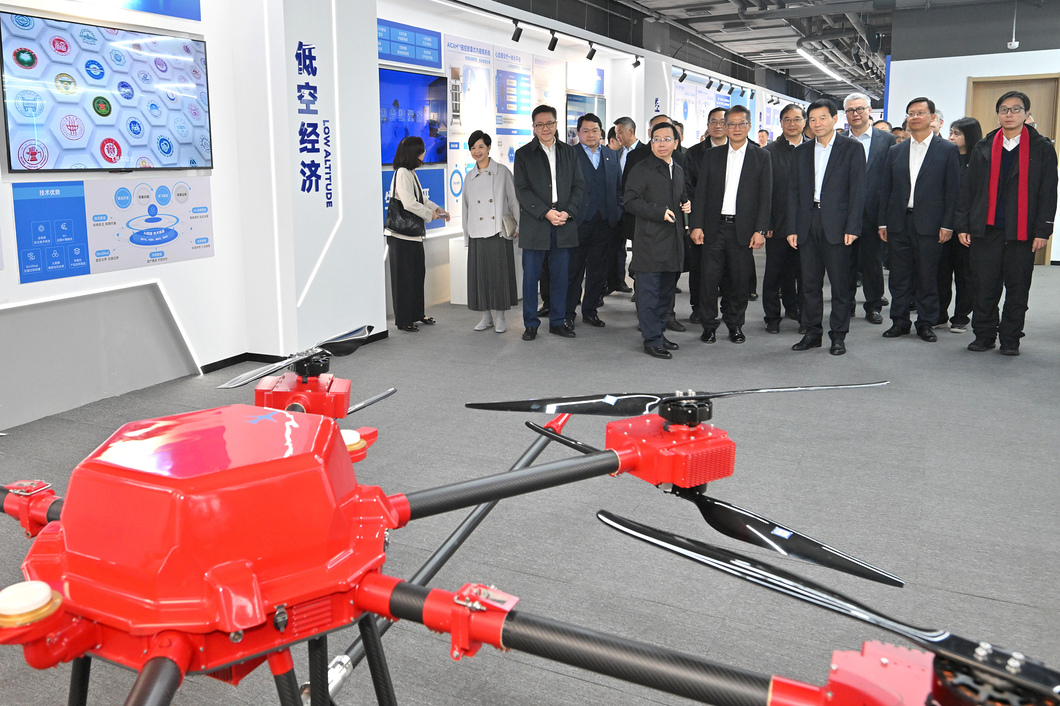
|
| The HKSAR delegation led by me visiting the Zhongguancun Science Park in the Xiong'an New Area. |
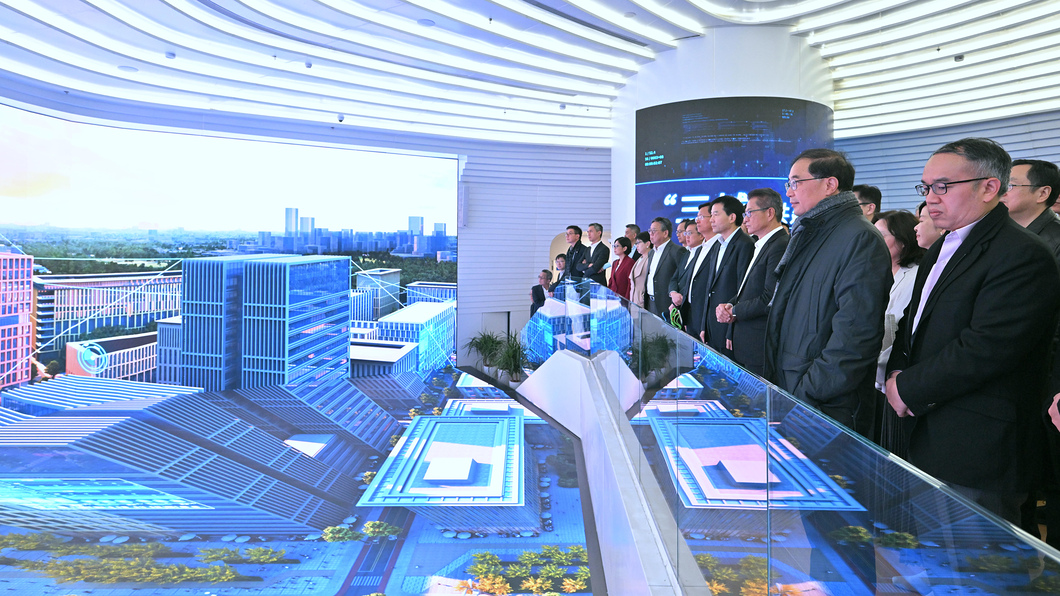
|
| Visiting the Xiong'an Urban Computing (Supercomputing Cloud) Centre. |
|
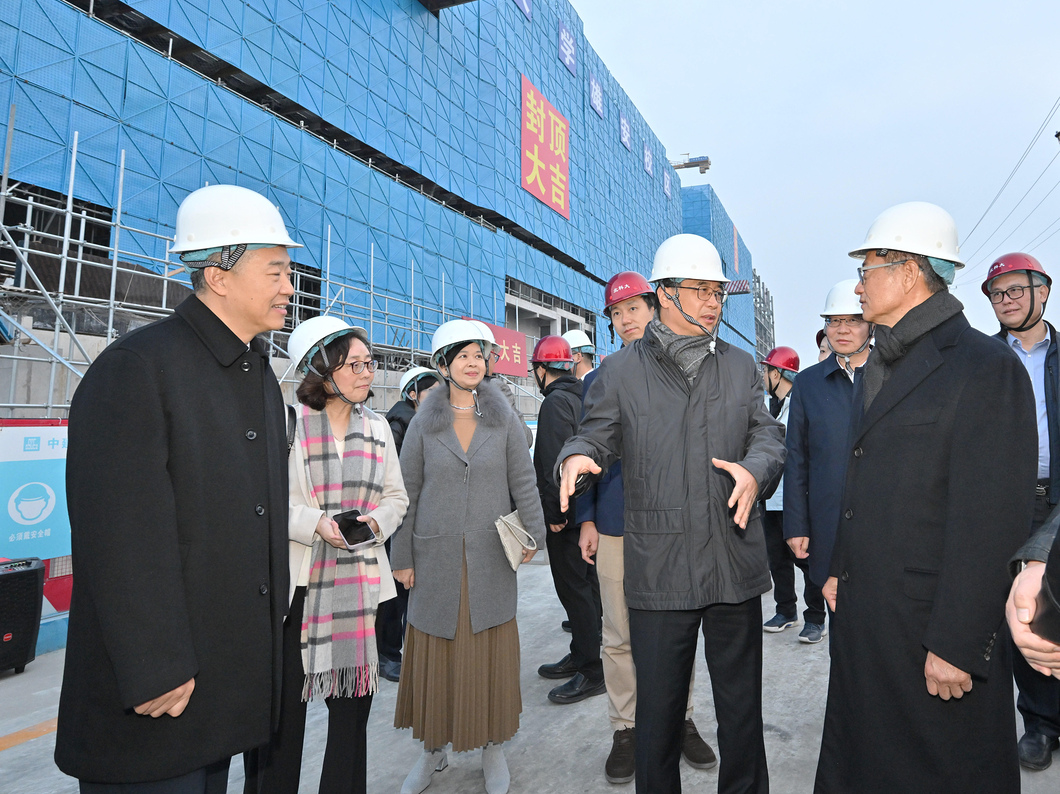
| Visiting the site of the Xiong'an campus of the University of Science and Technology Beijing to learn about its construction progress. |
|
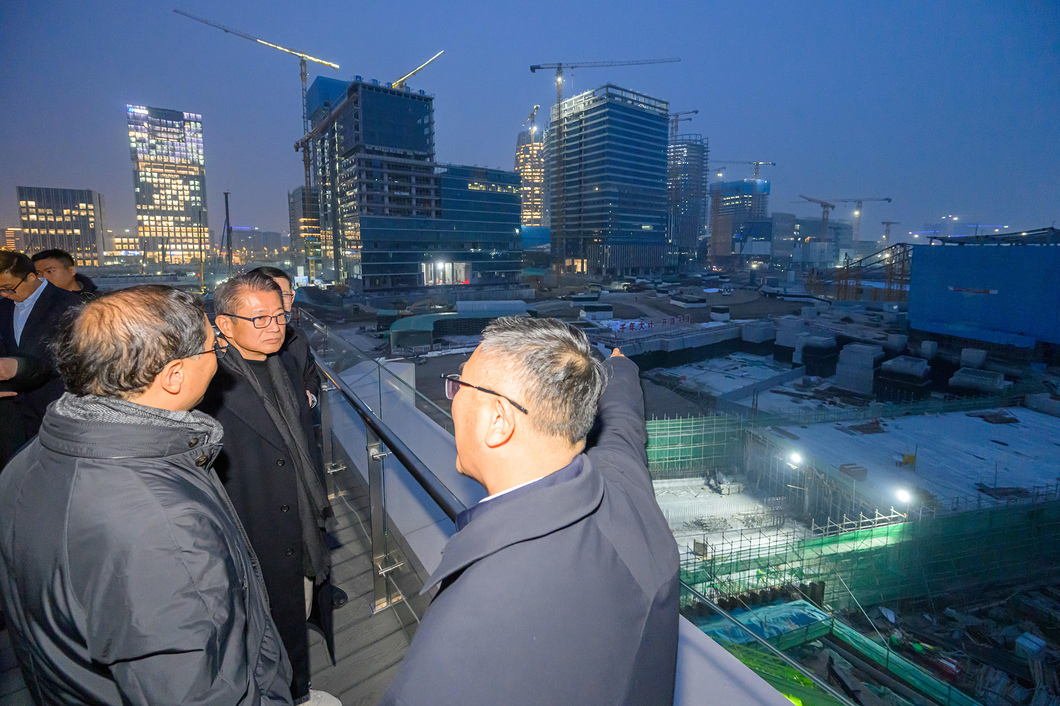
| The delegation and I visiting the command centre of Xiong'an Intercity Railway Station along the east-west axis. |
Over the past five years, despite the complex and turbulent global political and economic landscapes marked by escalating unilateralism and protectionism, our country has remained committed to high-level two-way opening up. By actively contributing Chinese strength and wisdom to global governance and development, it has demonstrated its responsibility as a major country and injected more certainty into an uncertain world.
The Fourth Plenary Session has set forth a number of forward-looking objectives for the 15th Five-Year Plan. These include establishing a modernised industrial system, accelerating high-level technological self-reliance, building a robust domestic market, vigorously boosting consumption, increasing effective investment, promoting high-level opening-up, and facilitating co-ordinated regional development. Such initiatives were formulated, through scientific analysis, to offer a precise response to the current internal and external challenges and hence ensure our country's steady advancement towards high-quality development. It is also essential that Hong Kong gets a good grasp of these strategic directions and seizes the opportunities they bring about for achieving breakthroughs in future.
Guided by the spirit of the Fourth Plenary Session, Hong Kong will take proactive steps to align itself with national development strategies and integrate into the overall national development. The Northern Metropolis serves not only as a platform for deepening co-operation within the Guangdong-Hong Kong-Macao Greater Bay Area (GBA), but also as a key vehicle for attracting enterprises and investment. Accelerating the development of the Northern Metropolis is vital to Hong Kong's future and is one of the most important policy objectives of the HKSAR Government.
Under the co-ordination of the Hong Kong and Macao Work Office of the CPC Central Committee and the Hong Kong and Macao Affairs Office of the State Council, as well as the thoughtful arrangements of the People's Government of Beijing municipality and the People's Government of Hebei Province, I led a delegation of over 40 members to visit the Beijing Municipal Administrative Center and the Xiong'an New Area. In addition to HKSAR government officials, the delegation included representatives from non-governmental organsations, the business, finance and I&T sectors, as well as senior management from all eight publicly-funded universities in Hong Kong. Over the course of three days, we visited 12 locations, including business districts, I&T bases, transportation hubs, university campuses, cultural facilities and integrated service centres. We were deeply inspired by the strategic planning, foresight and rapid development demonstrated by both places.
|
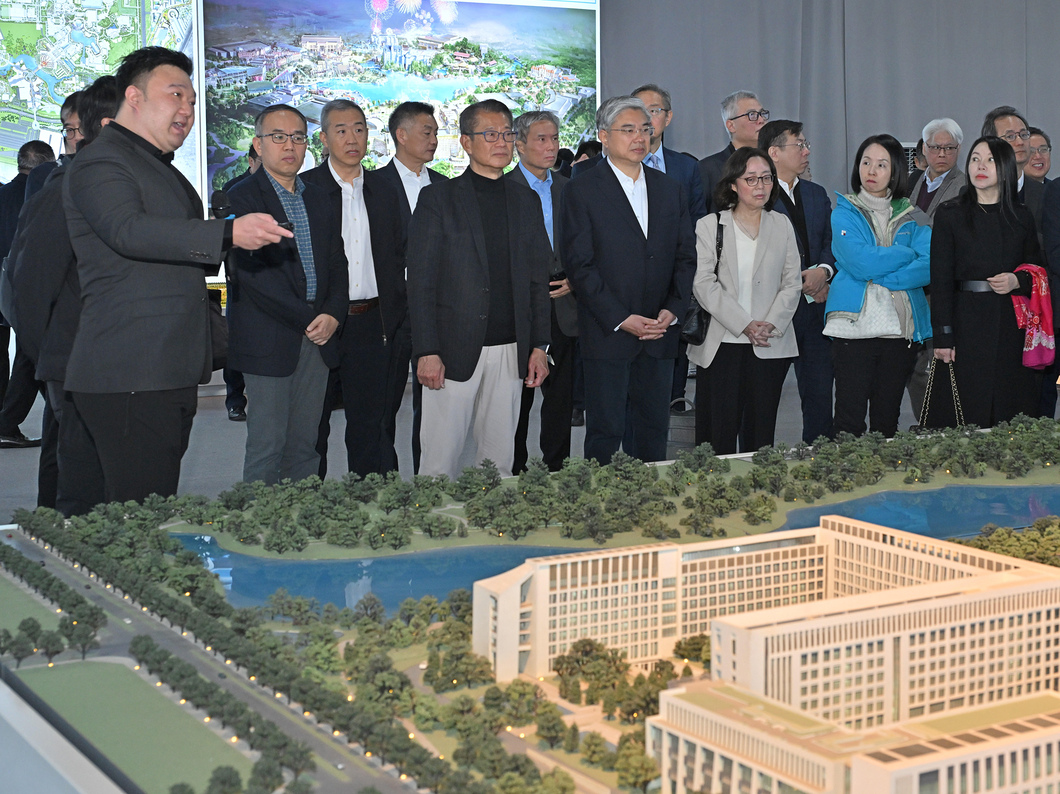
| Touring the planning exhibition hall of the Beijing Municipal Administrative Center with members of the delegation. |
|
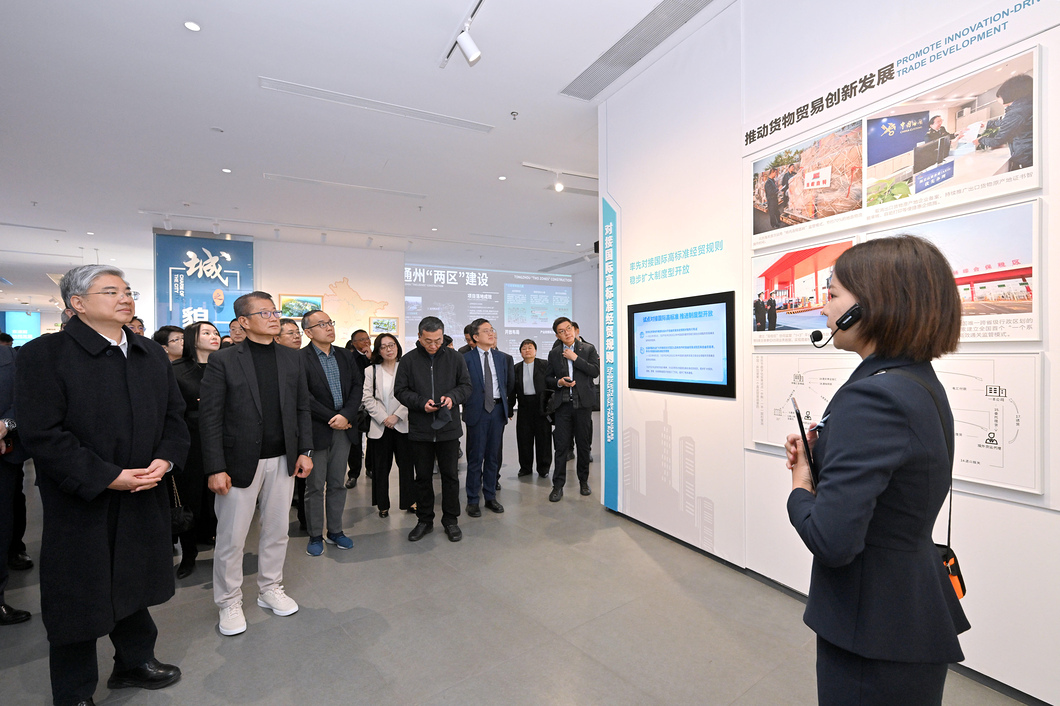
| Visiting the Yunhe Business District and being briefed by a member of the staff. |
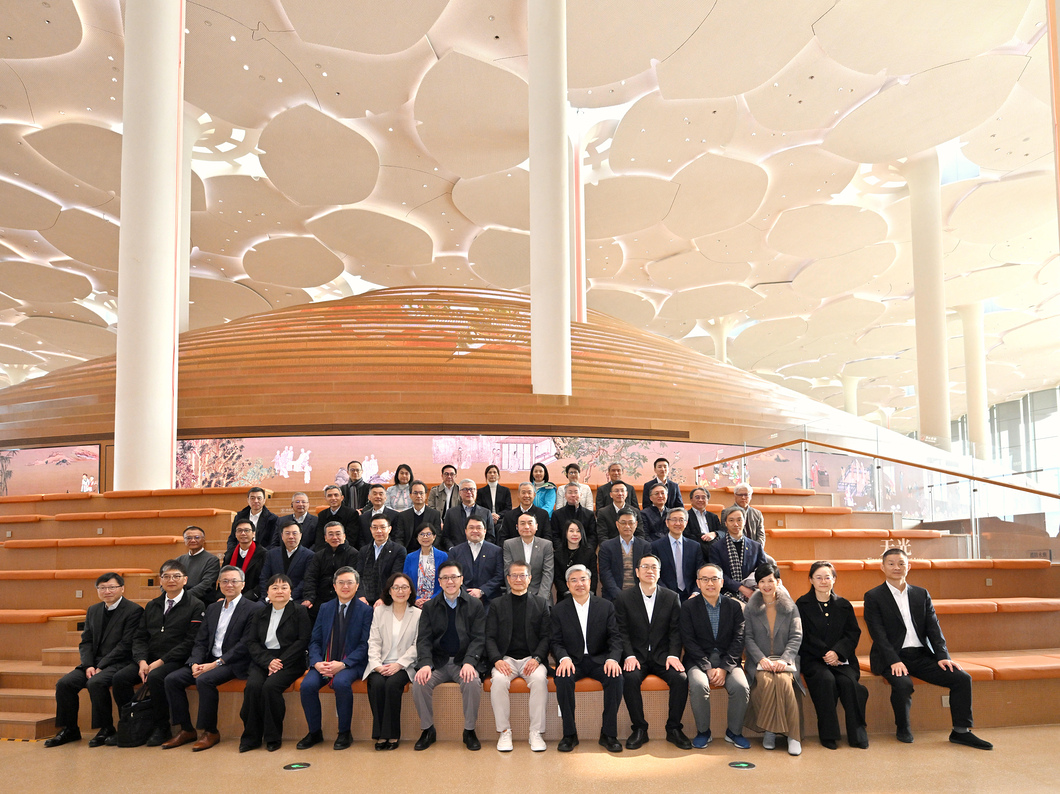
|
| Visiting the Beijing Library with members of the delegation. |
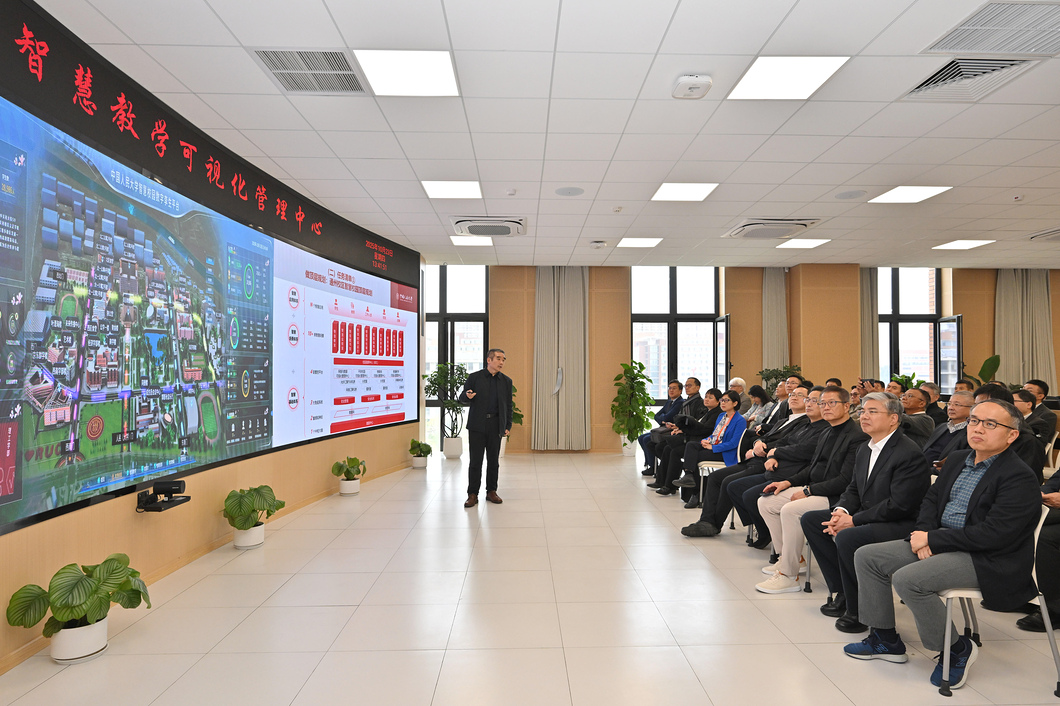
|
| Visiting the Tongzhou campus of the Renmin University of China and being briefed on the development of the campus. |
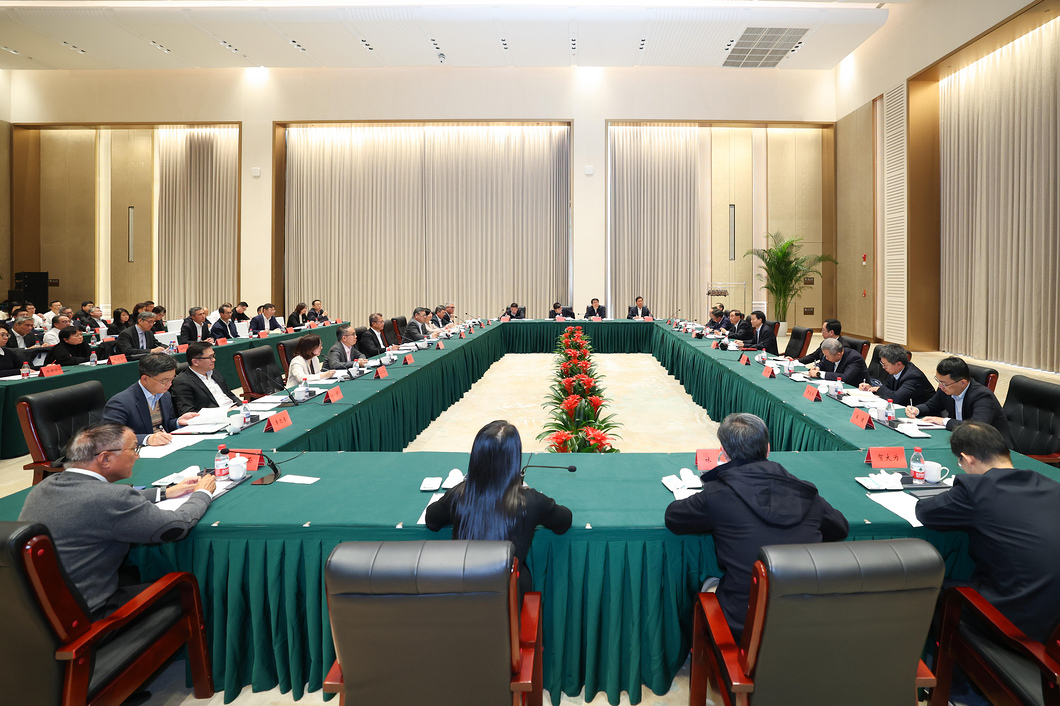
|
| Attending a seminar with members of the delegation. |
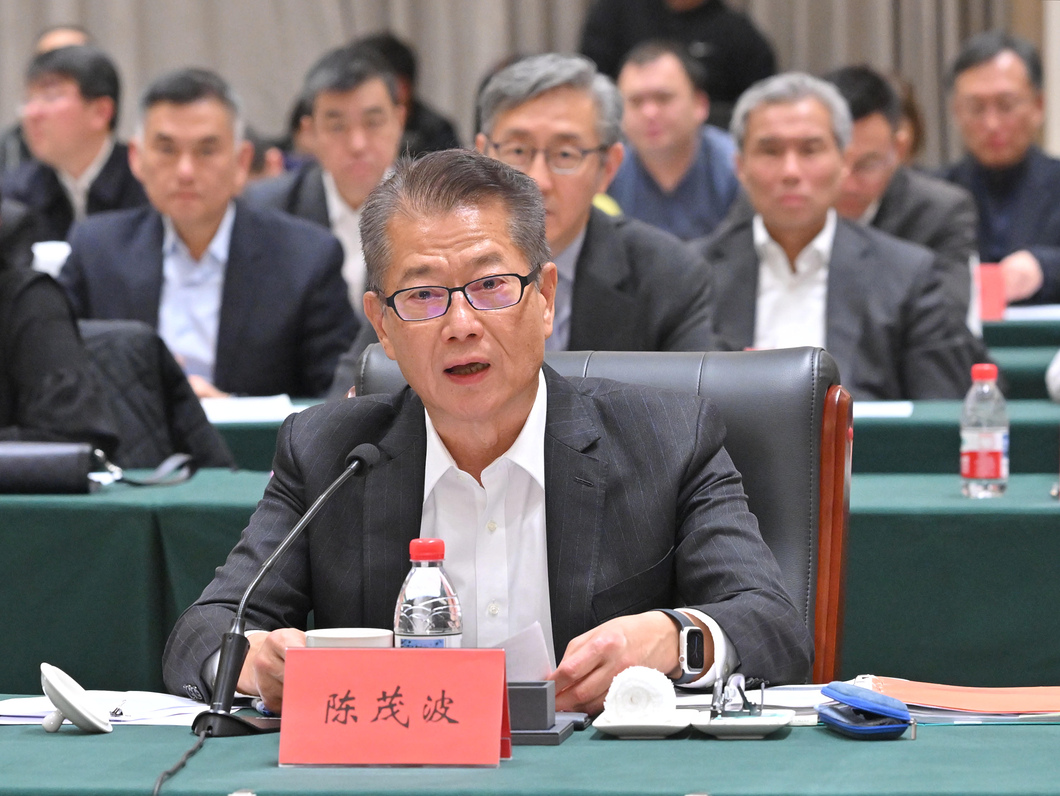
|
| Speaking at a seminar. |
Regarding the development of the Northern Metropolis, several key issues warrant further efforts to explore ways to achieve prompt implementation. First, we should accelerate development and unleash greater potential through institutional innovation and removing systemic barriers. Second, we should develop and adopt policies more flexibly to anchor target industries and attract global talent. Third, we should strengthen the construction process and integrated management of development areas through technological application and digitalisation for delivering higher-quality, more efficient, and people-centred public services. Fourth, we should pursue in-depth planning and enhanced coordination to promote collaborative development across cities within the GBA. Fifth, we should fully leverage Hong Kong's unique advantages under the "one country, two systems" arrangement and its roles as a "super-connector" and "super value-adder" to strengthen industrial alignment, I&T collaboration and academic exchange with the Beijing-Tianjin-Hebei region, thereby achieving resource sharing, complementary strengths, coordinated development, and mutual success.
It is essential that we remain steadfast in our vision and see the blueprint through to completion. Whether it is accelerating the development of the Northern Metropolis or strengthening Hong Kong's role as a leading international centre for finance, trade, shipping, and innovation and technology, we must stay true to our direction and objectives, uphold strategic focus, and advance with unwavering determination. As highlighted in the communique of the Central Committee's plenary session, China continues to be in a stage of development marked by both strategic opportunities and growing risks and uncertainties. In the face of an increasingly complex and volatile global environment, it is all the more vital that we stay committed to managing our own affairs well—moving forward with steadfast resolve, pragmatic action, and a clear sense of purpose—to write a new and promising chapter in this new era.
October 26, 2025