Blog
Forging a Global Sustainable Future Together
The second edition of the Hong Kong Green Week was successfully held last week, featuring over 40 multi-faceted events and bringing together 65 local and international institutions from both the public and private sectors, with more than 14,500 participants. The programme included international forums and roundtables aimed at industry professionals, as well as exhibitions and expos open to the public. These events allowed participants from Hong Kong and overseas to explore from various perspectives how to engage in green development more actively. This year's Green Week, themed "Forging a Sustainable Future Together", highlights Hong Kong's steadfast commitment to promoting cross-sector and cross-regional dialogue in related fields, especially against the backdrop of an increasingly fragmented international landscape. Stakeholders who share similar values had the opportunity to exchange knowledge and experiences on cutting-edge developments, and to share forward-looking ideas and perspectives on pressing global challenges.
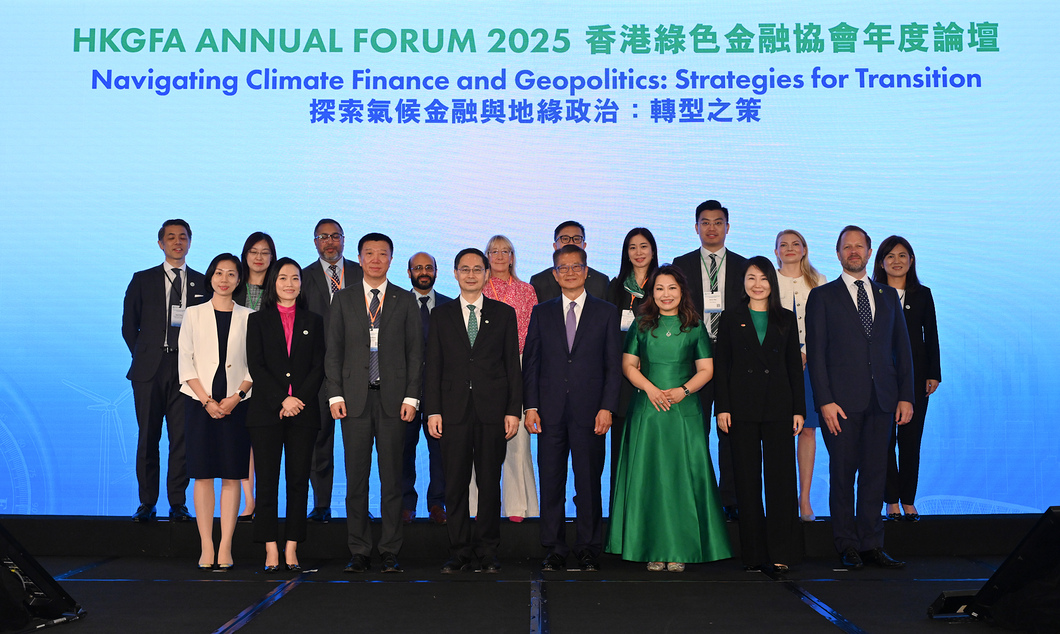
|
| Attending one of the "Hong Kong Green Week" events – the Hong Kong Green Finance Association (HKGFA) Annual Forum 2025 "Navigating Climate Finance and Geopolitics: Strategies for Transition" last week.。
|
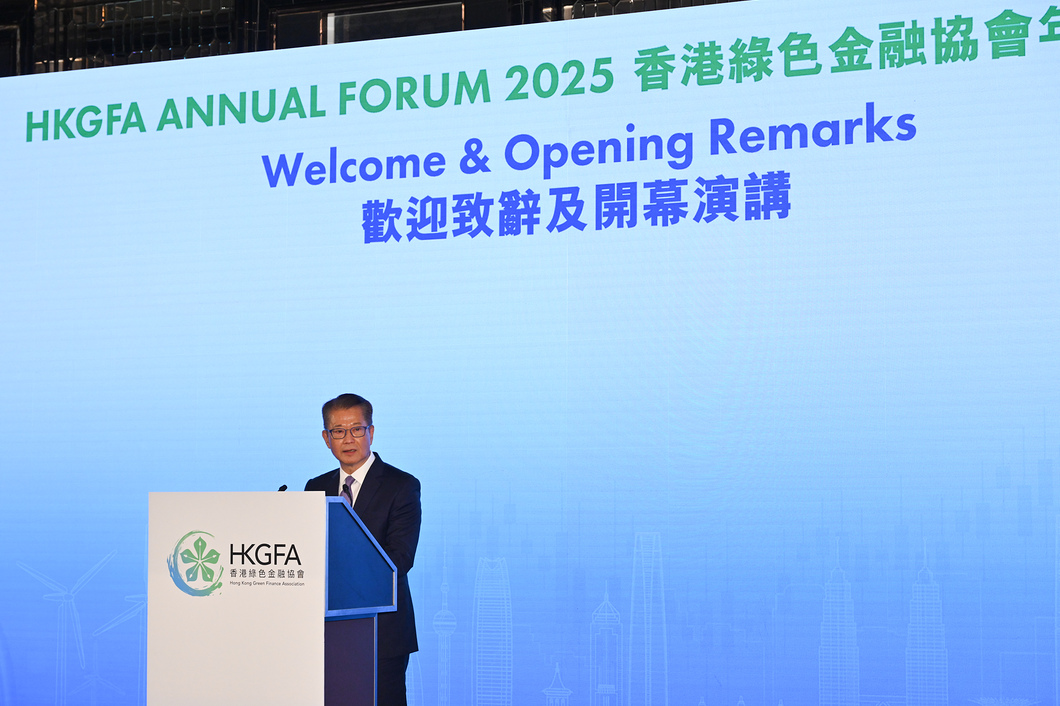
|
| Speaking at the HKGFA Annual Forum 2025. |
The green transition and sustainable development are crucial to the well-being of each of us and future generations. With extreme weather events becoming increasingly frequent, the importance of this issue is self-evident. It is not only about striving for a better future, but also about seizing significant business opportunities. In particular, the real-world application of frontier technologies will foster the growth of emerging and future industry clusters.
One of the highlight events of this year's Hong Kong Green Week was the AVPN Global Conference 2025. Held in Hong Kong for the first time in six years, the conference attracted over 1,500 global leaders in philanthropy, impact investing, sustainable finance, and other related fields. The lively atmosphere at the event reflected Hong Kong's status as an international financial centre and a leading green and sustainable finance hub in Asia — particularly in the field of impact investing.
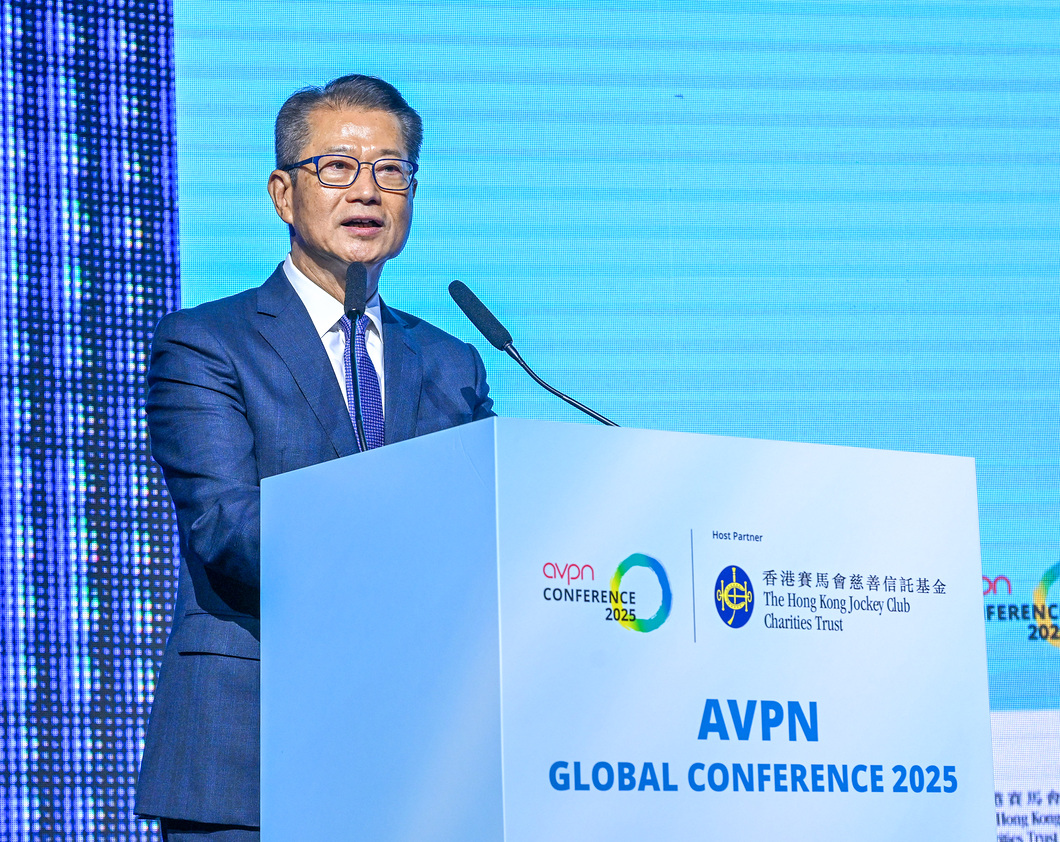
|
| Speaking at the AVPN Global Conference 2025. |
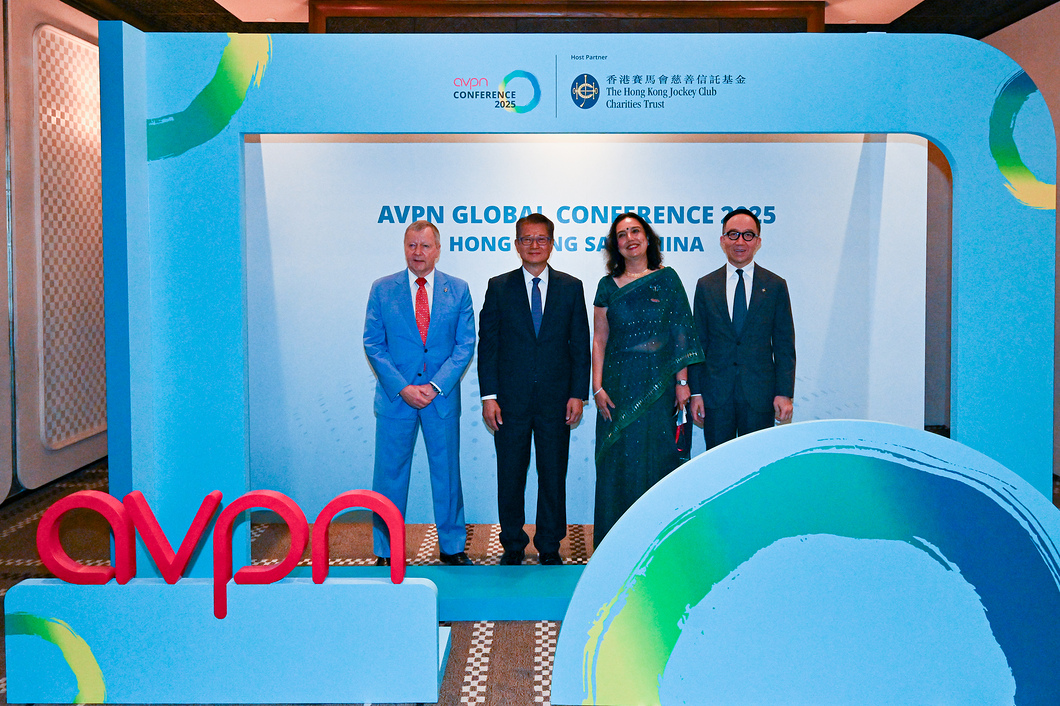
|
| Attending the AVPN Global Conference 2025. |
When I spoke with participants at the Green Week events, they collectively pointed out that while some Western countries have seen a decline in enthusiasm and responsibility in addressing climate change, the Asian region – especially China – remains firm and active in advancing sustainable development. The region is taking on a significant leadership role and earning respect.
In fact, investment in sustainable development in the Asia-Pacific region is steadily increasing. Take the energy transition as an example: it is estimated that the region's investment in this area surpassed US$1 trillion for the first time last year, accounting for about half of global investment in this field and doubling that of the Americas. In particular, China is a major contributor to and innovator in the global green transition. Beyond its firm commitment to the "3060" dual carbon goals and its contribution of nearly 40% of the world's total investment in the energy transition, China's leading technologies and vast production capacity in new energy sectors — such as lithium batteries, photovoltaic panels and electric vehicles — provide strong support for advancing the global green transition.
|
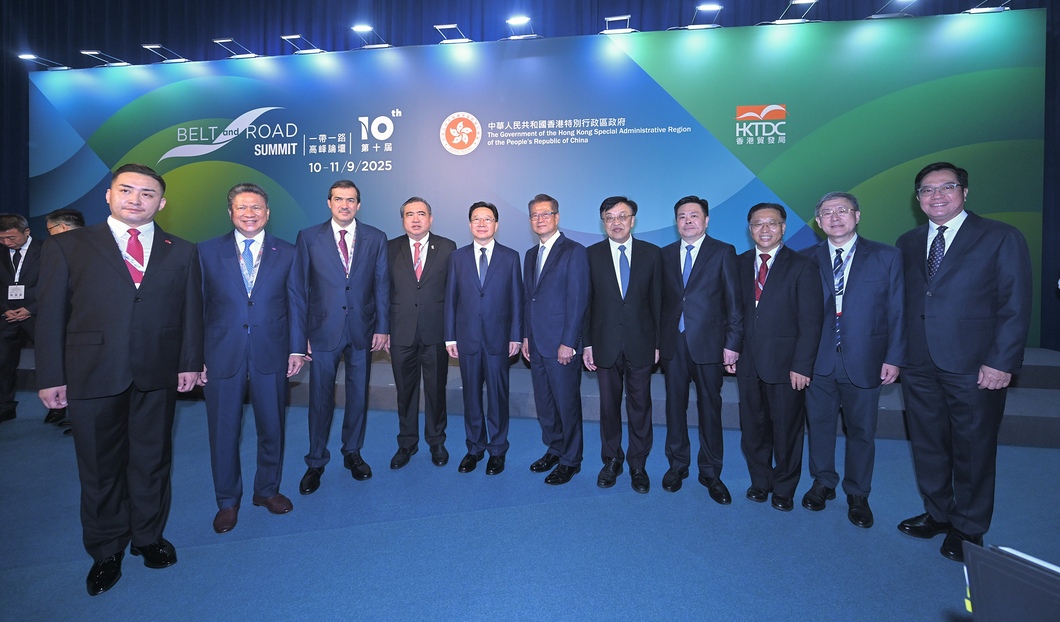
| Participating in the 10th Belt and Road Summit last week and exchanging views with guests, including Mr. Zhou Ji, Director of the Liaison Office of the Central People's Government in the HKSAR (fifth left); Mr. Feng Fei, Secretary of the CPC Hainan Provincial Committee (fifth right); Mr. Xiao Weiming, Deputy Secretary General of the National Development and Reform Commission (fourth right); Mr. Cui Jianchun, Commissioner of the Ministry of Foreign Affairs in the HKSAR (third right); H.E. Sun Chanthol, Deputy Prime Minister of Cambodia (second left); H.E. Dr. Ahmed Mohammed Al Sayed, Minister of State for Foreign Trade Affairs of Qatar (third left); and YB Anthony Loke Siew Fook, Minister of Transport of Malaysia (fourth left).
|
|
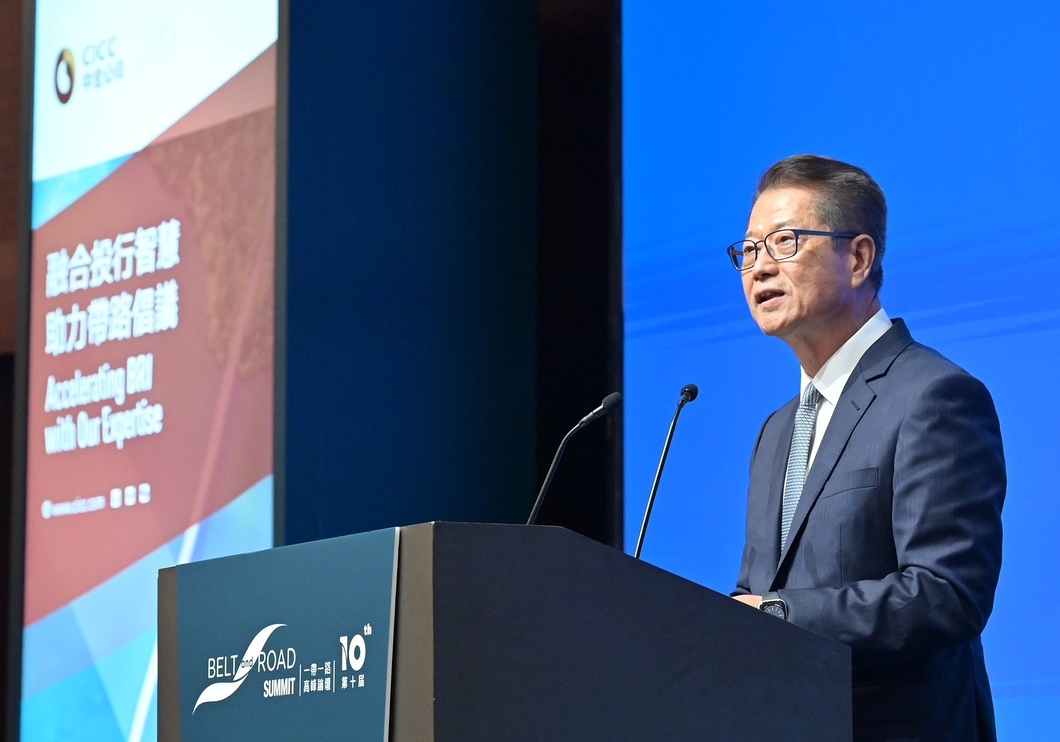
| Speaking at the 10th Belt and Road Summit keynote luncheon.
|
It has been 10 years since the United Nations (UN) proposed the 2030 Agenda for Sustainable Development in 2015. The 17 Sustainable Development Goals (SDGs) — including climate action, affordable and clean energy, poverty eradication and reduced inequalities — still face a significant financing gap. For example, to address climate change, the UN estimates that emerging markets and developing countries (excluding China) will need US$2.4 trillion per year by 2030 to meet climate goals. That is four times what is currently invested.
Faced with a global funding gap of trillions of dollars, no single country or region can fully bridge this shortfall by relying solely on governments or philanthropic organisations. Private market capital must play a role. This is one of the reasons why impact investing has attracted increasing global attention in recent years.
Last year, assets under management in impact investing funds were estimated at approximately US$1.6 trillion, and are projected to grow to around US$6 trillion by 2031. The key lies in finding how impact capital can be effectively connected with high-quality projects that generate social impact. Hong Kong, as an international financial centre, can actively contribute in the following ways:
First, building a thriving impact investment ecosystem. Today, many global wealth holders no longer focus solely on maximising financial returns – they also emphasise creating a positive impact on human society. Hong Kong brings together numerous family offices, charitable organisations and foundations, as well as regional and international impact investment networks. We must facilitate collaboration among different stakeholders, encourage cross-sectoral linkages, and connect them with socially impactful projects to generate greater benefit and impact. The iLink Online Portal, launched by the Hong Kong Academy for Wealth Legacy, has brought together nearly 50 family offices and internationally recognised strategic partners to help promote philanthropic investments.
It is worth noting that startups play an important role in this ecosystem. Whether they are local startups nurtured by the Hong Kong Science and Technology Parks or Cyberport, startups attracted from Europe and the US, or globally leading firms, their frontier technologies and innovation and technology (I&T) products and solutions — in areas such as green transition, healthcare, financial services, and education — can help drive more equitable and sustainable development, both regionally and globally. They also offer investors promising investment opportunities. By combining Hong Kong's dual strengths in finance and I&T — and enabling them to reinforce each other — we can inject new impetus into Hong Kong's development.
Second, helping to establish internationally trusted standards and rules to facilitate investment. For example, in green and sustainable finance, developing internationally recognised taxonomies as well as financial reporting and disclosure standards helps strengthen investor confidence in target projects and reduce communication costs across sectors and regions. The Hong Kong Monetary Authority (HKMA) launched a public consultation last week on Phase 2 of the Hong Kong Taxonomy for Sustainable Finance, which proposes to cover "transition activities" — such as assisting high-emission industries to decarbonise. This will help channel capital more effectively towards relevant projects and respond to the actual needs of many developing regions.
Third, promoting more product innovation. Hong Kong is a leader in green and sustainable finance in Asia. But beyond scale, we should offer innovative products to meet the development needs of different countries and regions. Catastrophe bonds and infrastructure securitisation are good examples. The Hong Kong Monetary Authority (HKMA), through Project Ensemble, is exploring how tokenisation could enhance the issuance and trading of carbon credits, thereby increasing the liquidity and depth of carbon markets. I am also pleased to see that during this year's Hong Kong Green Week, there were discussions on blended finance, which leverages public sector guarantees or support to channel more market capital into related projects.
We will continue to work in unity, striving to enrich the substance and ecosystem of our financial services. In doing so, we can enhance the vibrancy and influence of Hong Kong as an international financial centre, enabling the city to make new and greater contributions to the country's development as a financial powerhouse, the betterment of human life, and the sustainable development of the world.
September 14, 2025